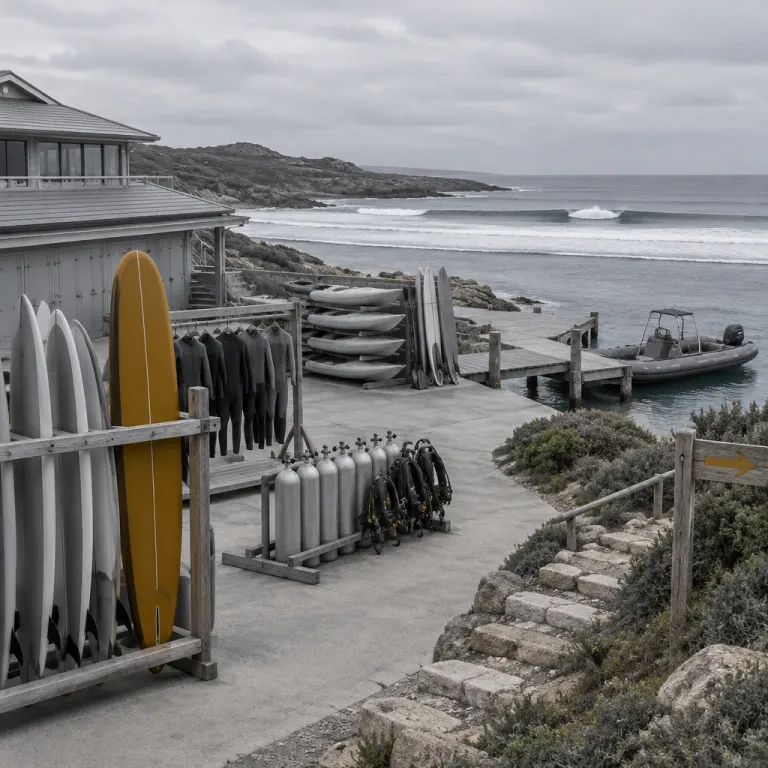
The rise of the adventure luxury coastal hotel surf dive active ocean ethos
At the best coastal properties today, an adventure-led, luxury oceanfront philosophy is reshaping what a beach stay means. The sea is no longer a distant postcard; it is the training ground, the classroom, and the playground for families who want movement with their luxury. When a hotel or resort treats the shoreline as its core asset, every tide change becomes part of the experience rather than background noise.
This active luxury model appears from the Indian Ocean to North America, where high-end beach hotels now hire surf coaches, freedive instructors, and trail guides with the same care as a head of fine dining. In the Maldives, for example, a luxury hotel on a private island in Baa Atoll may build its identity around a house reef, not just an overwater breakfast tray or a star rating. Along the coasts of the United States, from Huntington Beach to San Diego and up to San Francisco, hotels and resorts increasingly market wave reports and coastal hikes as prominently as spa menus.
Families booking a beach resort or resort spa through a luxury and premium platform should look for how clearly the property explains its ocean-focused activity programme. A serious hotel will detail seasons, swell windows, and resort offers that bundle lessons, equipment, and guiding into transparent packages. When you check learn-style pages on a booking site, prioritise hotels and resorts that describe real distances to the beach in metres, not vague “short strolls” that hide a road crossing between you and the ocean.
Surf programmes where the tide, not the pool, sets the schedule
Surf-led properties are the clearest expression of this active coastal mindset. Here, the beach is not just a sunbathing strip; it is the launch pad for dawn patrol sessions, kids’ foam board lessons, and longboard glides under a changing sky. The most committed hotels and resorts build surf into their daily rhythm, from pre-surf stretch classes to post-session recovery in the resort spa.
Look for a hotel that offers a surf concierge, a proper board quiver, and tide chart briefings pinned next to the breakfast menu. In places like Huntington Beach in the United States or Los Cabos in Mexico, the best beach resort options pair certified instructors with small group ratios, so children and adults progress safely in different seasons. Some luxury hotels even integrate tennis courts and gym access into surf packages, recognising that paddling strength and balance training matter as much as the right sand-bottom break.
Families comparing resorts should ask whether lessons are run by in-house teams or outsourced to third parties who vanish when the swell drops. A true ocean-first property will have staff who can explain local currents, reef etiquette, and which breaks suit beginners versus confident teenagers. For inspiration on how to balance active days with elegant evenings, explore these refined ways to enjoy a coastal sunset after a day in the waves.
Dive, snorkel, and marine science woven into daily family life
Not every stay revolves around a surfboard; for many families, the real magic lies below the surface. The difference between a hotel that simply offers a PADI course and one that employs resident marine biologists is profound. In the Maldives, for instance, a luxury hotel in Baa Atoll or on another island in the Malaysia–Maldives corridor may schedule guided night snorkels, coral restoration workshops, and plankton talks that turn a simple swim into a layered learning experience.
In the Indian Ocean and across Costa Rica, Los Cabos, and parts of India and Indonesia, the best beach resort options treat the reef as a living library. These resorts often limit group sizes, rotate sites to protect coral, and include reef-safe sunscreen in their resort offers as a standard, not a special extra. When a property in Abu Dhabi or along the more sheltered coasts of North America claims strong underwater experiences, ask whether visibility, currents, and marine life patterns are explained clearly during the briefing.
Parents travelling with older children should prioritise hotels and resorts that combine structured dives with unhurried time to process what they have seen. Some luxury hotels now design teen-focused programmes where a morning dive is followed by an afternoon editing underwater photos or mapping fish species, rather than another generic pool game. For more ideas on properties that keep adolescents engaged beyond screens, explore these coastal hotels where teenagers genuinely reconnect with the sea.
Coastal hiking, active wellness, and the art of recovery
Some of the most rewarding ocean-centred stays unfold on foot, not just in the water. Along rugged stretches of Costa Rica, the United States Pacific, and parts of India and Indonesia, certain hotels and resorts sit directly on coastal paths where the daily hike is curated with the same care as the daily menu. These properties understand that a clifftop trail with a clean ocean view can be as memorable as any wave.
When a beach resort or seasons resort positions itself as a hiking hub, study how it describes elevation, distance, and terrain in metres and kilometres. Serious luxury hotels will provide maps, guided options, and timing suggestions that account for heat, tides, and family fitness levels across different seasons. In destinations like San Sebastián, Los Cabos, or the more temperate coasts of North America, the best hotels and resorts also integrate recovery into the plan, from cold plunge pools in the resort spa to stretching sessions on shaded decks.
This is where fitness and wellness converge in a way that feels both exclusive and grounded. A morning surf or hike followed by a targeted massage, a calm hour on tennis courts, and an early fine dining seating with light, coastal-focused dishes creates a rhythm that families can sustain for a week. If you want to understand how rate structures reflect this depth of programming, this guide to what your peak season seaside rate really buys is a useful lens before you commit.
How to evaluate active coastal programming before you book
Choosing the right adventure luxury coastal hotel surf dive active ocean property starts long before you pack a wetsuit. On any booking platform, move beyond glossy beach photos and go straight to the activity pages, where a serious hotel or resort explains schedules, safety standards, and group sizes in clear language. If you cannot easily see what is included in resort offers, from guided hikes to breakfast and equipment, treat that as a warning sign.
Families should ask very specific questions before confirming a stay at luxury hotels in the Maldives, Costa Rica, Abu Dhabi, or the United States. Who runs the surf school, and are instructors certified to teach children as well as adults across different seasons? How far is the beach in metres from most rooms, and does the ocean view correspond to real proximity or just a distant blue strip beyond a road and other hotels and resorts?
It is also worth comparing how properties in North America, the Indian Ocean, and India and Indonesia integrate food, rest, and movement. Some luxury hotel teams design special menus that align with active days, from early breakfast options for dawn dives to fine dining that stays light enough for a next-morning paddle. When you check learn-style sections on a booking site, prioritise destinations where the coastal adventure narrative feels specific to that island, that bay, that stretch of sand, rather than a generic promise that could apply to any star-rated beach resort.
FAQ
How can I tell if a coastal hotel is genuinely activity focused?
Look for detailed descriptions of surf, dive, and hiking programmes with clear timings, safety standards, and group sizes. A genuine ocean-forward property will name specific breaks, trails, and reef sites rather than using vague language. If the hotel or resort publishes tide charts, seasonal conditions, and transparent resort offers, it usually signals real commitment.
Are active coastal luxury hotels suitable for young children?
Many hotels and resorts now design graded programmes so younger children can enjoy the beach and ocean safely. Ask whether the hotel offers age-specific surf lessons, shallow reef snorkels, and short coastal walks tailored to small legs. Properties that provide child-sized equipment, flexible breakfast times, and family-friendly fine dining usually understand the needs of premium families.
What should I pack for an adventure focused beach resort stay?
Prioritise functional gear over fashion, including long-sleeve rash guards, reef-safe sunscreen, and lightweight hiking shoes. Even at a luxury hotel or seasons resort, having your own mask, snorkel, and well-fitting swimwear can make ocean sessions more comfortable. A compact dry bag, reusable water bottle, and simple first aid kit are also useful on coastal trails and boat transfers.
Do I need to be very fit to enjoy these active ocean experiences?
Most coastal activity programmes are designed with multiple levels, from gentle snorkels and flat-water paddles to more demanding hikes and reef breaks. When you book, be honest about your fitness and swimming ability so the hotel or resort can recommend appropriate activities. Good luxury hotels will offer warm-up sessions, recovery options in the resort spa, and rest days built into longer stays.
How do prices compare between traditional beach resorts and active luxury properties?
Rates at activity-led hotels and resorts can be higher because they include professional guides, equipment, and smaller group ratios. However, when you factor in what is bundled into resort offers, from breakfast to guided sessions, the overall value can be strong. Comparing inclusions line by line with a more passive beach resort helps you understand whether the premium reflects genuine programming or just marketing language.
References
National Oceanic and Atmospheric Administration (NOAA)
Professional Association of Diving Instructors (PADI)
Surfrider Foundation