Where luxury coastal hotel medical wellness spa programs are heading next
Where luxury coastal hotel medical wellness spa programs are heading next
Along the world’s sharper shorelines, luxury coastal hotel medical wellness spa programs are quietly rewriting what a seaside stay can mean. Guests now expect to exhale stress in spaces where hyperbaric oxygen pods sit beside ice fountains, and where a wellness spa feels as clinically credible as it is sensorially soothing. The most forward looking wellness resorts treat the ocean as infrastructure, not backdrop, building medically informed spa concepts around salt air, cold water and long, luminous horizons.
This shift is especially clear in properties that position themselves as a true wellness resort rather than a classic beach resort with a token spa. Investors now design buildings to house diagnostic rooms, medical consultations and cutting edge treatments, while still protecting that essential coastal stillness you came for. The boundary between health spa and five star hotel is dissolving gently, as wellness programmes integrate hyperbaric oxygen therapy, red light therapy, dry flotation and IV treatments into multi day retreats.
For solo travelers, this new generation of wellness retreats offers something more intentional than a simple spa weekend. You can book a short wellness retreat focused on sleep, fitness and overall wellbeing, or commit to longer retreats that address body, mind and spirit with measurable outcomes. The best wellness resorts pair this medical ambition with a dedicated team that understands hospitality first, so your rooms suites, restaurant and shoreline walks feel as carefully curated as your clinical treatments.
Inside hyperbaric suites and saltwater chambers by the sea
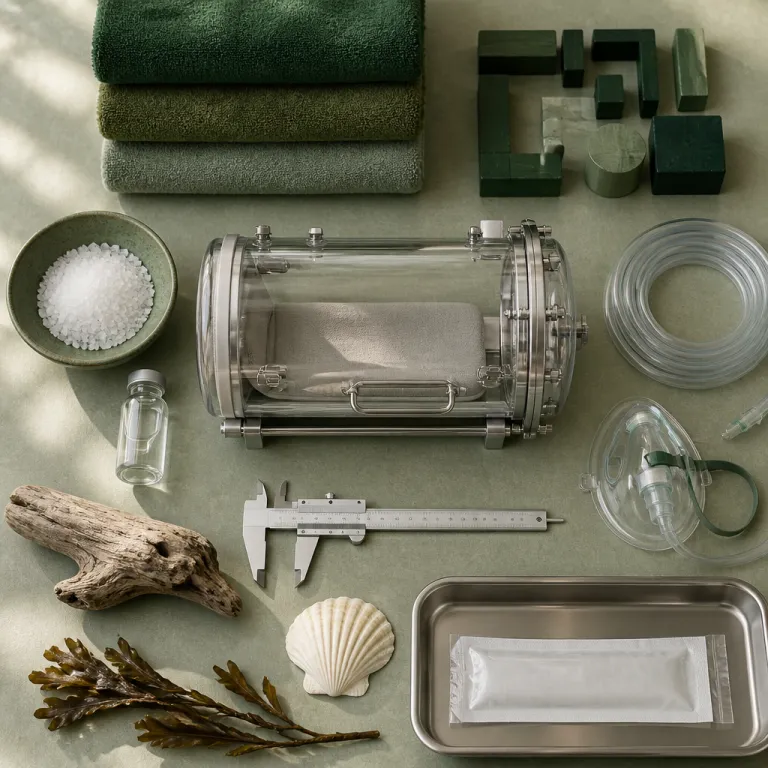
Hyperbaric oxygen therapy, once reserved for hospitals, now appears in luxury coastal hotel medical wellness spa programs as a signature draw. In simple terms, hyperbaric oxygen therapy is a treatment involving breathing pure oxygen in a pressurized room, and coastal hotels are installing private hyperbaric suites where you can exhale deeply while waves break just beyond the glass. Some coastal wellness properties now work with specialist medical providers to install outpatient style cabins that can be integrated into a resort setting without losing that sense of retreat.
Salt therapy is following a similar path, with halogenerator powered saltwater chambers and Himalayan salt rooms becoming anchors of spa wellness circuits. The Carillon Miami Wellness Resort, for example, uses a Himalayan Salt Chamber to support respiratory comfort, drawing on research that suggests salt based environments may help some people with breathing and certain skin concerns when used appropriately. Systematic reviews indicate that evidence for halotherapy remains limited and mixed, however, so reputable resorts frame these spa treatments as complementary options rather than cures and encourage guests to seek medical advice for specific conditions.
For travelers comparing coastal options, the difference lies in how these medical elements are woven into the overall experience. Some wellness resorts tuck hyperbaric cabins away like clinical annexes, while others integrate them into fluid spa journeys that move from warm seawater pools to stillness lounges and finally to oxygen rich pods. If you value privacy and quiet, look for a wellness spa that offers timed access, pre booked sessions and private relaxation decks, similar in spirit to the secluded pool suites highlighted in this guide to ultimate relaxation at luxury beach hotels with private pools.
From palace Weggis to Bürgenstock Resort: the coastal advantage
Europe’s lakes and shorelines have become laboratories for luxury coastal hotel medical wellness spa programs that blend clinical precision with elemental water rituals. On Lake Lucerne, for instance, both the Bürgenstock Resort and the historic Palace Weggis lean into the idea that a wellness resort can use altitude, lake breezes and long light to amplify medical outcomes. These properties show how a wellness retreat can feel both rigorously health focused and deeply romantic, with spa wellness decks that seem to float above the water.
Nearby, Chenot Palace on Lake Lucerne has become shorthand for a certain kind of wellness pilgrimage, where guests commit to structured programmes that target body, mind and spirit. Here, medical diagnostics, tailored nutrition and spa treatments sit alongside lakeside walks and carefully calibrated fitness sessions, creating a retreat that feels more like a reset than a holiday. The architecture itself is often state of the art, designed from the outset to house imaging equipment, consultation rooms and stillness spaces without sacrificing the drama of the shoreline.
For coastal obsessives, the sea or lake remains the quiet hero of these wellness retreats. Natural cold water immersion, marine air exposure and long, unbroken views help the nervous system gently embrace rest, making every medical intervention feel less clinical and more human. If you are curious how far this can go, look to destinations that integrate cold water plunges, sleep science and marine air into the entire stay, as explored in this deep dive on how seaside hotels are weaving longevity into the stay.
Balancing clinic level credibility with coastal warmth
The most successful luxury coastal hotel medical wellness spa programs understand that guests want both clinical reassurance and emotional ease. You might arrive for serious medical treatments, but you still expect to feel the sand underfoot, to exhale on a balcony where the tide is audible and to sleep in rooms suites that feel like sanctuaries rather than wards. This tension between white coat credibility and barefoot hospitality is where the best wellness resorts now compete.
Properties such as Chiva Som in Thailand have long shown how a wellness resort can integrate medical consultations, structured fitness and targeted spa treatments without losing a sense of retreat. Their approach to wellness retreats, where a dedicated team tracks your health, wellbeing and fitness while still encouraging you to embrace stillness, has influenced coastal openings worldwide. Newer projects, from Fouquet’s Mykonos with its Rock Spa by Dr. Barbara Sturm to lakefront health spa concepts, are taking that template and adding hyperbaric suites, flotation tanks and IV lounges.
For travelers, the key is to look beyond glossy language and examine how a hotel actually structures its wellness programmes. Do licensed medical professionals lead the clinical assessments, or are they outsourced add ons that feel disconnected from the rest of your stay? Does the spa wellness journey move gently from diagnostic to nurturing, allowing body and mind to integrate what happens in the treatment rooms? A property that answers yes to these questions is more likely to deliver an experience that feels coherent, safe and genuinely restorative.
How to choose and book your coastal medical wellness retreat
When you are ready to book into luxury coastal hotel medical wellness spa programs, start by clarifying your priorities. Are you seeking a short wellness retreat focused on stress relief and stillness, or a longer retreat with structured medical treatments and measurable health outcomes? Your answer will determine whether you look toward intensive wellness retreats like Chenot Palace and Chiva Som, or toward more flexible wellness resorts where spa wellness complements, rather than dominates, your stay.
Next, examine the depth of expertise behind each wellness spa or health spa you are considering. Look for a dedicated team that includes physicians, physiotherapists, nutritionists and experienced spa therapists, all working together on integrated programmes for body, mind and spirit. Reputable providers will encourage you to consult with a physician before using therapies such as hyperbaric oxygen, and many will share clear guidance on who should avoid certain treatments, including people who are pregnant, have uncontrolled lung disease, untreated ear or sinus problems, or specific cardiovascular conditions.
Finally, pay attention to how the hotel talks about loyalty, personalization and the emotional side of your experience. Some coastal properties now use subtle guest preference systems to remember your ideal room orientation, preferred fitness schedule and even the way you like to exhale at the end of a long day, as explored in this analysis of how coastal properties build loyalty without points programs. When a wellness resort can hold both your medical data and your softer preferences with care, the result is a stay where every detail, from spa treatments to shoreline walks, feels quietly attuned to you.
FAQ
What is hyperbaric oxygen therapy in a coastal hotel setting ?
Hyperbaric oxygen therapy in a coastal hotel setting uses the same principle as in a clinic, but is integrated into a spa wellness environment. You enter a pressurized cabin or room and breathe pure oxygen, which can support recovery and tissue healing in specific, medically supervised situations according to organizations such as the Undersea and Hyperbaric Medical Society (UHMS). Because these are medical treatments with defined indications and risks, reputable wellness resorts will always recommend that you consult a healthcare provider before use and review current UHMS guidance on approved uses.
How do saltwater chambers and salt rooms support wellbeing ?
Saltwater chambers and halogenerator powered salt rooms are designed to replicate some of the sensations of marine air in a controlled environment. Small studies and systematic reviews suggest that salt based environments may help certain people with respiratory symptoms or inflammatory skin conditions, but major bodies such as the American Lung Association note that evidence remains limited and that halotherapy should not replace prescribed treatment. In a coastal wellness spa, these spaces often complement outdoor sea air exposure, creating a layered approach to perceived respiratory and skin comfort while encouraging guests to verify claims against peer reviewed research.
Are medical wellness programmes at hotels safe for everyone ?
Medical wellness programmes at hotels can be powerful, but they are not one size fits all. Many treatments, from hyperbaric oxygen to IV infusions, have specific contraindications, so a pre arrival health questionnaire and on site medical consultation are essential. The safest wellness retreats are those where a dedicated team screens guests carefully, explains potential side effects and adapts programmes to individual health profiles in line with current clinical guidance and published safety statements.
How should I prepare before I book a medical wellness retreat ?
Before you book a medical wellness retreat, research each resort’s clinical partnerships, on site medical staff and the structure of its programmes. It is wise to consult your own physician, especially if you have chronic conditions, take regular medication or have a history of lung, heart or ear problems that might affect your suitability for hyperbaric or other pressurized therapies. You should also book key spa treatments and hyperbaric sessions in advance, as these cutting edge services often have limited daily capacity.
What is the difference between a wellness resort and a traditional spa hotel ?
A wellness resort builds its entire concept around health, wellbeing and fitness, often with medical diagnostics, structured programmes and a dedicated team of specialists. A traditional coastal hotel with a spa may offer excellent spa treatments, but usually without the same depth of medical oversight or integrated retreat design. If you are seeking measurable outcomes, a purpose built wellness retreat or health spa resort is generally the more appropriate choice, especially when you want coordinated input from physicians, nutrition experts and movement specialists.