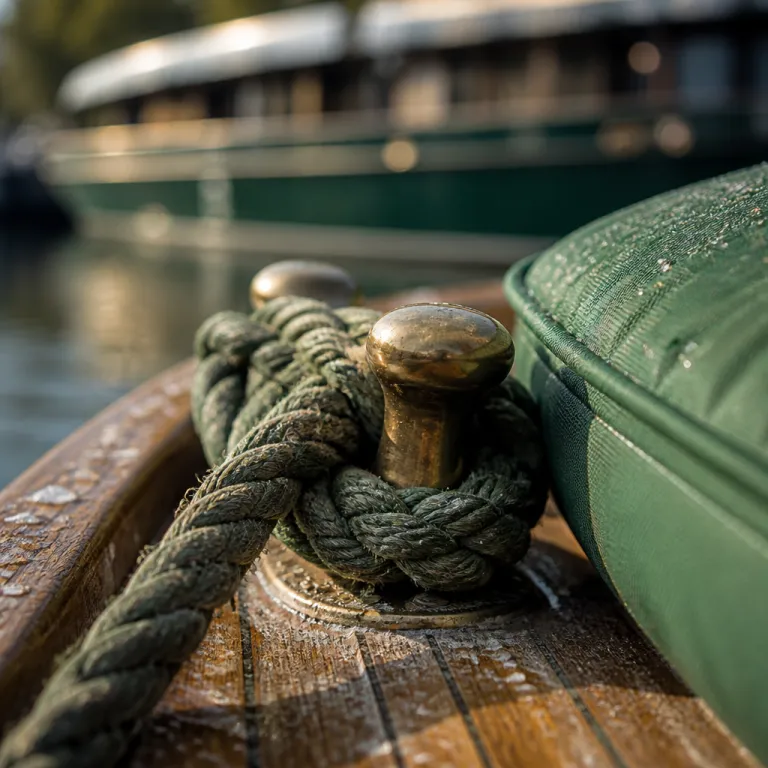
Floating hotels and yacht hotels: when the vessel becomes the destination
From coastal hotel to yacht hotel: when the vessel becomes the destination
The modern yacht hotel experience sits between a classic seaside hotel and a cruise ship. This emerging category keeps the intimacy of small luxury properties while using a yacht or superyacht as the actual hotel, permanently or semi-permanently anchored on water. For solo travelers used to a refined hotel stay on land, the shift feels radical yet surprisingly natural.
Sunborn Group, the pioneer behind one of the first purpose-built floating hotels, showed early on that a custom-designed Sunborn yacht could host guests with the same comfort as a five-star property. Their concept evolved into Sunborn London, a 131-room yacht hotel launched in 2014 and moored at Royal Victoria Dock, often described as a London hotel address that simply happens to float. Here the vessel is static most of the time, so the focus is not on sailing but on the quality of the stay and the proximity to the water.[1]
Floating hotels like Sunborn London or the 23-cabin Fingal Edinburgh ship in Scotland accommodate only a few dozen to a few hundred guests rather than the thousands found on conventional cruises. Fingal, a former Northern Lighthouse Board vessel relaunched as a luxury hotel in 2019, now operates as a permanently moored boutique ship in the Port of Leith.[2] That scale changes everything, from the way the crew remembers your name to how quietly you can move from your room to the spa or to a late evening dining reservation. For travelers who value privacy and calm, the yacht hotel model offers a distinctive balance of maritime atmosphere and tailored luxury.
How yacht hotels differ from cruises: scale, service and guest culture
On a traditional cruise ship, the itinerary drives the experience and the hotel component follows. In a true luxury yacht hotel, the hospitality experience leads and any movement of the vessel simply frames the view and the light on the water. Guests are not herded to shows or buffets; they move through spaces that feel closer to an intimate spa hotel or a discreet city retreat.
Properties such as Sunborn London at Royal Victoria Dock or Fingal Edinburgh in the Port of Leith operate more like urban luxury hotels than like ships. You book a specific room category, you choose your preferred dining time, and you might schedule afternoon tea in a lounge that looks straight over the river or dock. The guest culture is quieter and more independent, closer to the solo explorer who books a refined guest house in Rome such as the one described in this guide to premium city stays than to the group-focused cruise crowd.
Service on these floating hotels tends to be more anticipatory because the crew-to-guest ratio is higher than on large ships. A yacht executive traveling for business might find that the staff remember coffee preferences by the second morning, while leisure guests notice that the spa team adjusts treatment times around tidal excursions. As one regular guest put it, “It feels less like a ship and more like a private club that just happens to sit on the water.” This creates a hotel culture where the vessel feels like a members-only hideaway rather than a moving resort.
Anchored in cities and coves: where floating hotels fit into coastal travel
Location remains the decisive factor for any luxury hotel, and yacht-based properties simply push that logic onto the water. A floating hotel can sit directly on a river, in a working harbor or beside a city skyline, giving guests a constantly shifting play of reflections and light. The best examples use maritime engineering and stabilizers to secure a steady stay while keeping the sensation of gentle movement underfoot.
In London, the Sunborn London yacht hotel occupies a prime position at Royal Victoria Dock, with views towards Canary Wharf and the O2. This London yacht setting means you wake to the sight of water taxis and working boats rather than a distant blue strip of sea from a high-rise hotel room. It is the difference between a standard sea-view upgrade and what we call in our guide to what truly justifies a premium for a waterfront room the room where you fall asleep to the tide itself.
Elsewhere, Fingal Edinburgh offers a contrasting floating hotel experience in a historic Scottish dock, with a shorter walk into the city than many land-based hotels. Internationally, properties such as the 104-room Sunborn Gibraltar yacht hotel in Ocean Village Marina show how the same concept adapts to warmer climates and resort-style waterfronts.[3] Future concepts on rivers and sheltered bays will likely follow the same pattern, using smaller vessels to access marinas and coves that conventional cruise ships cannot reach. For travelers, this means more choice between urban energy, quiet river moorings and remote island-style stays without sacrificing the standards of luxury travel.
Onboard life: rooms, dining and wellness on the water
Step inside a modern yacht hotel and the first surprise is how residential the rooms feel. Cabins on a superyacht-style property such as Sunborn London or Fingal Edinburgh are closer to compact hotel suites than to ship cabins, often with full-height windows and private balconies over the water. The sense of a genuine luxury hotel room that simply happens to float is central to the appeal.
Dining follows the same logic, with restaurants and bars designed as destination venues in their own right. Guests might start the day with breakfast facing the river, return for a slow afternoon tea service in a lounge, then end with a tasting menu that would hold its own against many land-based luxury hotels. Because floating hotels host fewer guests than cruise ships, the kitchen can focus on à la carte plates, local seafood and flexible timings rather than mass service.
Wellness is becoming a defining feature of Sunborn-style concepts and similar projects, with compact but carefully planned spa areas. A spa hotel on water can offer treatments timed to sunset, saunas with harbor views and small pools that feel almost private when guest numbers are low. For readers interested in a more traditional coastal spa retreat, our review of a serene Mediterranean spa hotel shows how land-based properties and floating hotels now compete on equal wellness terms.
Pricing, value and the future of floating luxury
From a pricing perspective, a stay on a luxury yacht hotel usually sits slightly above a comparable five-star hotel on land in the same city. You pay a premium for the maritime engineering, the limited inventory of rooms and the sense of staying on a private yacht without chartering one. In London, for example, entry-level cabins on Sunborn London can start around the same range as upscale city hotels midweek, rising significantly during major events at ExCeL.[4] For many guests, that extra cost feels justified by the intimacy, the water-level views and the distinct hotel experience that cannot be replicated ashore.
Operators such as Sunborn Group, Ritz-Carlton Yacht Collection and Ocean House are betting that floating hotels will become a permanent part of the luxury travel landscape. Their methods range from repurposing existing yachts to building new floating structures, all designed to host guests in full-service hotels that simply happen to be on water. As one industry explanation puts it, “What is a floating hotel? A hotel situated on water, often a yacht or barge.”
For solo explorers, the appeal lies in the mix of independence and care that these hotels and yachts provide. You can treat a stay on Sunborn London at Royal Victoria Dock or on Fingal Edinburgh as a city break, a spa escape or a base for wider coastal exploration. As more floating hotels appear on rivers, bays and urban docks worldwide, the line between ship and hotel will continue to blur, and the shore will feel less like a boundary and more like an optional extra.
FAQ
What exactly is the difference between a floating hotel and a cruise ship ?
A floating hotel is a hotel situated on water, often a yacht or barge, that usually stays in one place and operates like a conventional hotel. A cruise ship moves between ports on fixed itineraries and focuses on transportation and entertainment as much as accommodation. In a floating hotel, the emphasis is on the quality of the stay and the sense of living directly over the water.
Are floating hotels always stationary or do some of them cruise ?
Some floating hotels are permanently moored, such as Sunborn London at Royal Victoria Dock or Fingal Edinburgh in Leith. Others may reposition occasionally or offer short scenic movements, but they still operate primarily as hotels rather than as transport. The key point is that guests book them for the hotel experience, not for a multi-port voyage.
How far in advance should I book a stay on a yacht hotel ?
Because yacht hotels and other floating hotels have fewer rooms than large seaside resorts, they can sell out quickly during peak seasons and major events. It is wise to book several months ahead for popular dates, especially if you want a specific room category or a balcony directly over the water. Checking flexible dates and midweek stays can improve your chances of securing the best cabins.
Are floating hotels suitable for solo travelers who value privacy ?
Floating hotels are particularly appealing for solo travelers because guest numbers are limited and public spaces are rarely crowded. You can enjoy privacy in your room or on a small deck while still having access to full hotel services, from spa treatments to attentive dining. The atmosphere tends to be quieter than on large cruise ships, which suits independent travelers who prefer calm over constant entertainment.
Where in the world can I currently find floating hotels ?
Floating hotels operate in several locations, including London, Gibraltar and coastal areas of the United States such as Key Largo. New projects are appearing on rivers and in sheltered bays where maritime conditions allow stable moorings. When planning a trip, always verify the exact docking location and local transport options before you book.
Sources: [1] Sunborn London official hotel information and press materials; [2] Fingal Edinburgh hotel history and accommodation details; [3] Sunborn Gibraltar hotel fact sheet; [4] Publicly available sample rates from major booking platforms, checked periodically and subject to change.