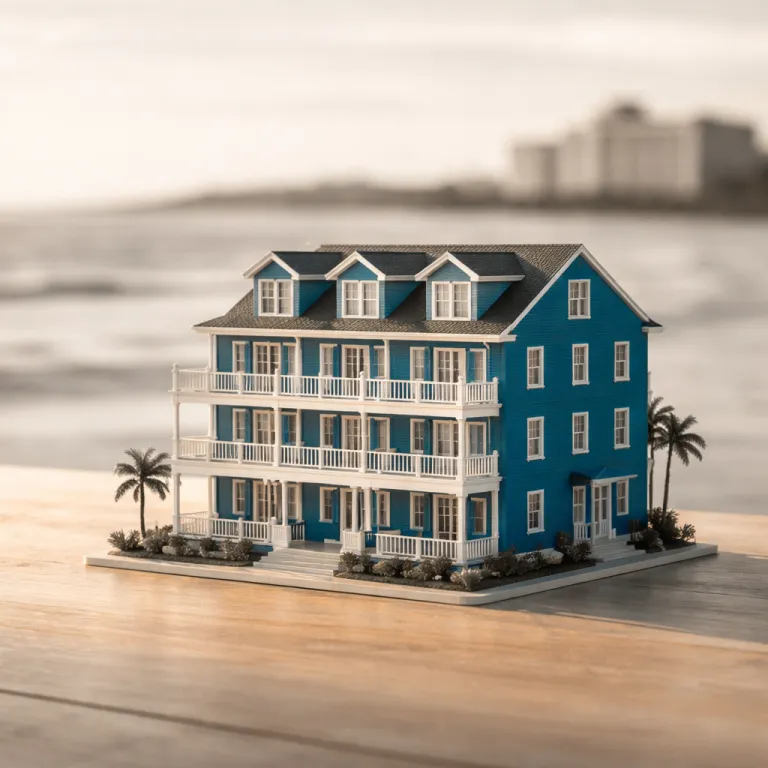
What scale really does to a seaside stay
The debate around a 12-room seaside hotel vs resort always starts with scale. A genuinely small coastal boutique property with around 10 to 20 rooms shapes the experience in ways a 200-room resort simply cannot, especially when the shoreline is narrow and protected. That difference in keys changes how guests feel the sea, how they move through shared spaces, and how often they share the view with others.
In a compact 12-room boutique hotel style place, the pool-to-beach ratio usually favours quiet swims, short sandy paths, and almost no competition for loungers. Large luxury resorts often deliver multiple pools, water slides, and expansive resort-style decks, but the beach itself can feel busier, with more guests and structured activities. When you compare boutique hotels and big resorts directly, you notice how noise levels, restaurant wait times, and the intimacy of each stay shift with every extra floor of rooms.
For solo travellers who choose boutique over regular hotels, the smaller scale often means staff recognise them after one or two check-ins. That personalised service can turn a simple surf session or sunset drink into a deeper experience boutique travellers remember for years. In contrast, a mega resort offers predictability and broad amenities, yet the hospitality can feel more standardised, even when the luxury label and resort offers look impressive on paper.
How intimacy changes the coastal experience
When you compare a 12-room boutique seaside hotel vs resort along a single bay, intimacy becomes the defining metric. In a 12-room coastal hotel, guests enjoy the illusion that the shoreline belongs to them alone, especially at dawn when only a few footprints mark the sand. That sense of a private place is difficult for larger resorts to replicate, no matter how refined the amenities or how generous the resort offers may be.
Smaller boutique properties often sit in residential neighborhoods or tucked behind dunes, with good access to the water and quieter paths that also give access to public promenades. These areas are good for walking at sunrise or late evening and help travellers feel part of the local culture rather than sealed inside a compound. By contrast, many luxury resorts occupy headlands or reclaimed stretches of coast, where resort-style planning prioritises internal movement between pools, rooms, and dining options over spontaneous exploration.
On Europe’s coasts, from Mallorcan coves to Aegean bays, the most atmospheric seaside hotels with private beach access tend to be intimate rather than vast. A curated guide to European seaside hotels with private beach access shows how scale, light, and shoreline geometry combine to shape every stay. For travellers comparing boutique hotels and resorts, the question is simple yet revealing: do you want to hear the tide from your room, or the pool playlist from three bars at once.
The economics of coastal intimacy
Behind every 12-room seaside hotel vs resort decision sits an economic story that travellers rarely see. Industry analyses from firms such as STR and CBRE indicate that a typical small coastal boutique hotel runs with an average of 10 to 40 rooms, while a classic resort in the same destination often averages around 200 rooms or more. For example, STR’s 2023 EMEA Hotel Review notes that independent upscale coastal hotels under 50 rooms in Southern Europe frequently achieve average daily rates above €350, while branded resorts in the same markets often trade slightly lower but compensate with higher occupancy. That gap in scale helps explain why boutique properties frequently charge more per night, yet still achieve strong RevPAR because they sell a rarer, more personal experience.
For owners, a compact boutique resort or villa cluster can focus on high-value hospitality rather than volume, using locally sourced design, food, and art to justify premium rates. Guests enjoy personalised service that remembers their surf preferences, their favourite dining options, and even which lounger catches the last light. Large luxury resorts, from Marriott to Hilton and Hyatt, respond with micro-collections and soft brands, building smaller hotels within their portfolios to capture travellers who choose boutique intimacy over anonymous scale.
Properties such as Zannier Hotels on the Atlantic coast or the Mediterranean illustrate how 12 to 93 rooms can still deliver full luxury without feeling crowded. At the other end of the spectrum, a property like Signia by Hilton Diplomat, with close to 1,000 rooms, shows how a resort offers conference capacity, weather insurance, and multiple restaurants that a tiny coastal hotel cannot match. For a sense of how heritage scale can still feel intimate, look at Como Le Beauvallon on the Gulf of Saint Tropez, where a grand estate uses space, gardens, and beach access to balance resort-style amenities with a boutique level of attention.
Who really thrives in each seaside setting
Choosing between a boutique seaside hotel vs resort is ultimately about matching personality to place. The solo explorer or design-focused couple usually gravitates toward intimate hotels, where personalised service and quiet corners matter more than kids’ clubs or water parks. Families, multi-generational groups, and corporate retreats often find that large resorts simply fit their logistics better, even if the shoreline feels busier.
The traveller who will choose boutique every time tends to value local culture, locally sourced menus, and staff who share insider tips on surf breaks or coastal trails. They are comfortable sacrificing a full spa menu, multiple dining options, and extensive amenities in exchange for a room where they fall asleep to the tide. For them, regular hotels with standard layouts and generic décor rarely compete with the character of small seaside boutique properties in residential neighborhoods with good access to both the sea and the town.
By contrast, the guest who prefers luxury resorts often wants structure, scale, and certainty, especially in destinations with unpredictable weather. They appreciate that a resort offers indoor pools, varied restaurants, and activity programmes that keep every generation occupied during a long stay. For group travel by the water, guides such as this overview of modern hotels in Perth for seamless group bookings show how larger hotels and resorts can still feel coastal, even when the focus is on meetings rather than surf.
Practical ways to choose your ideal coastal base
When you weigh a boutique seaside hotel vs resort for your next trip, start with how you want to feel each morning. If you want to step from your room to the sand in under a minute, hear only waves, and greet the same faces at breakfast, a small 12-room seaside hotel or villa cluster is usually the right fit. If you prefer choice over quiet, with multiple pools, varied dining options, and a full calendar of activities, then a larger resort or coastal hotel complex will likely suit your stay better.
Look closely at maps to see whether properties sit in residential neighborhoods with good access to cafés and coastal paths, or in self-contained resort-style enclaves with limited access to public transport. Read reviews for clues about how many guests enjoy the beach at once, how personalised service really feels, and whether the amenities match the marketing. Travel guides and customer reviews remain some of the most reliable tools for comparing boutique hotels, regular hotels, and luxury resorts along the same stretch of coast.
As one expert summary puts it, “Small, unique lodging with personalized service.” and “Pools, multiple restaurants, entertainment options.” and “Costs vary; boutique hotels often charge more for exclusivity.” These three statements capture the essence of the boutique properties and resort offers spectrum in a single line. When you understand that spectrum clearly, you can experience boutique intimacy or full-scale resort energy on your own terms, and choose boutique charm or resort certainty with confidence every time you book a seaside hotel.
FAQ
What is the main difference between a boutique seaside property and a resort
The core difference lies in scale, atmosphere, and how you interact with the shoreline. A small seaside boutique-style hotel usually has fewer than 25 rooms, highly personalised service, and a quieter beach experience. A resort typically has 200 rooms or more, extensive amenities, and a livelier, more structured coastal stay.
Is a small seaside property always more expensive than a resort
Prices overlap, but intimate coastal hotels often charge more per night because they have fewer rooms to sell. They rely on higher rates and strong RevPAR rather than volume, especially in prime beachfront locations. Resorts can sometimes offer lower nightly prices due to scale, but extra costs for activities and dining may balance the budget.
Which option is better for families by the sea
For most families, a resort is better because it offers kids’ clubs, multiple pools, and varied dining options in one place. Parents gain flexibility, and children have structured activities even when the surf or weather is not ideal. A small seaside hotel suits older children or teens who enjoy quieter stays and independent exploration.
How do I know if a coastal property has good beach access
Check satellite maps to see the distance from rooms to the shoreline and whether there is direct access to the sand. Reviews often mention whether guests enjoy easy paths, steep stairs, or crowded shared beaches. Properties in residential neighborhoods with good access to promenades and coves usually offer more authentic coastal walks.
When is a large resort a better choice than an intimate seaside hotel
A large resort is better when you need weather insurance, extensive amenities, or space for events. Business groups, weddings, and multi-generational families benefit from multiple restaurants, indoor pools, and activity programmes. In these cases, the trade-off in intimacy is balanced by convenience, choice, and reliable hospitality infrastructure.