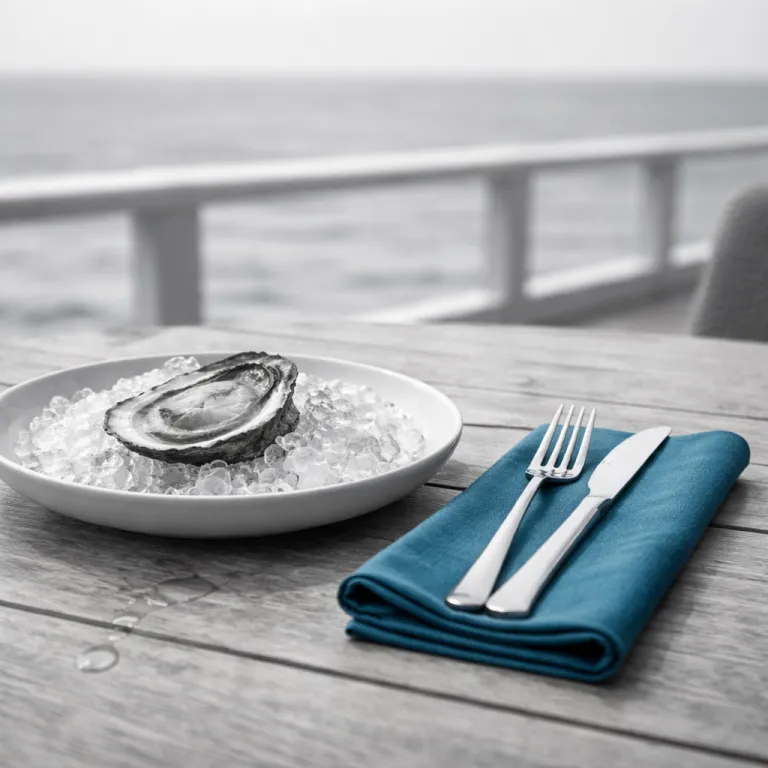
Why the restaurant defines a luxury seaside stay
At a true luxury hotel restaurant, seaside dining is not a side note but the main storyline of your stay. When you choose a beachfront hotel, the restaurant competes with every coastal taverna, marina bar and pier side shack, so the dining must feel inseparable from the ocean itself. For families booking rooms and suites, the right dining experience can turn a good holiday into the trip everyone still talks about years later.
A 2023 survey by the Luxury Institute and similar hospitality research groups reported that around 55–60% of affluent leisure travelers rank on-site dining as a primary factor in choosing a hotel, placing the restaurant alongside the pool and beach in importance. That pressure is even sharper by the ocean, where one glance at the view reminds you that a short walk could take you to a local beach club or harbor café instead. The properties that thrive in this environment treat every meal as a coastal experience, from breakfast and lunch on the terrace to fine dining under a sky that slowly fades into golden hour.
Look at how long-established Riviera icons or family-run inns in South Devon weave the shoreline into their menus and service, and you start to understand the new benchmark. As one general manager at a five-star Mediterranean resort noted in a 2022 industry roundtable, “If guests can’t taste the sea on the plate, they will go elsewhere for dinner.” These hotels know that guests will learn quickly whether the chef really works with local fishermen or just writes about them on the menu. When a house restaurant can stand proudly beside independent coastal institutions like Bud & Alley’s in Florida or Tide Room in Ocean City, you know the hotel has taken its dining experiences seriously.
From breakfast by the waves to golden hour: how seaside dining shapes each day
The most reliable test of a luxury hotel restaurant offering seaside dining is not dinner but the first meal of the day. Breakfast and lunch by the water set the rhythm for families, especially when children drift between the beach and the pool while parents linger over coffee. When the morning service feels effortless, with ocean views and thoughtful bites that respect both adults and younger palates, you sense a property that understands coastal life.
At places like Seaside Grill at The Kahala Hotel & Resort or Breeze Ocean Kitchen at Eau Palm Beach Resort, the menu often reads like a map of the surrounding ocean and farms. Fresh fruit, grilled fish, and light coastal dishes such as citrus-marinated ceviche or grilled prawns with local herbs appear beside more indulgent plates, allowing you to tailor each dining experience to the day’s plans. This balance matters for premium families who may want a quick breakfast one morning, then a long, lazy lunch with refreshing cocktails and mocktails the next, all without leaving the sand.
As the sun drops, the best hotels shift naturally into a different mood, with the lobby bar and any adjacent beach club becoming stages for golden hour. Handcrafted cocktails, small bites and a relaxed soundtrack turn the same terrace into a new kind of club dining, one that works as well for parents with sleeping children in the room as for couples on a weekend escape. Many coastal properties now advise booking prime sunset tables at least a week ahead in high season, especially for Friday and Saturday evenings. If you are planning a stay that also prioritizes quiet time by the pool, pair your restaurant research with guides to private pool retreats, such as the coastal focus on luxury beach hotels with private pools, then look for properties that align both their water and dining experiences.
Where the chef knows the fisherman: reading the coastal menu
Along the Mediterranean, Caribbean and throughout Southeast Asia, the defining mark of a luxury hotel restaurant with serious seaside dining is the relationship between the chef and the people who work the water. When a chef can name the boat that brought in the snapper or the family that farms the shoreline vegetables, the menu usually follows with clarity and confidence. This is where the ocean stops being a backdrop and becomes the quiet co author of your dining experience.
On Greek islands such as Patmos or Paros, for example, many hotel restaurants now publish the names of their preferred fishing boats and nearby herb growers directly on the menu, a practice echoed at coastal retreats on the Côte d’Azur and in the Maldives. In Saint-Tropez and along the French Riviera, several five-star properties have announced partnerships with regional chefs and local markets in their opening plans, signaling a commitment to menus that speak the language of the bay rather than generic resort fare. As one executive chef in the region explained in a 2021 interview, “Our menu starts at the harbor each morning; the fishermen tell us what dinner will be.” These examples echo a broader trend of hotel restaurants sourcing directly from local fishermen and coastal farms, a practice that turns simple bites of grilled fish or vegetables into a narrative about place.
When you evaluate a beachfront hotel, read the menu descriptions carefully and, if possible, speak with the team before you reserve a table. Ask how often the chef changes the menu based on the ocean and whether there is a separate room dining or private dining option that still reflects this coastal sourcing. For families who care about service as much as flavor, destinations with a reputation for elevated island hospitality, such as the properties highlighted in this guide to fine service and island hospitality in Mykonos, can be a useful benchmark when comparing options in other regions.
Inside the luxury hotel restaurant: how families actually use the space
Families experience a luxury hotel restaurant with seaside dining very differently from couples or solo travelers, because every decision must work for multiple ages and appetites. Parents need the reassurance of flexible room service and room dining for early bedtimes, while still wanting at least one memorable fine dining evening with an ocean view. Children, meanwhile, often judge the stay by the ease of moving between the beach, the pool and the promise of something good on the plate.
Thoughtful hotels design their spaces to reflect these patterns, with a lobby bar that feels relaxed enough for a pre dinner drink with children in tow and a beach club that welcomes sandy feet at lunch. On busy Friday and Saturday nights, the best teams manage to keep club dining energy high without overwhelming families who prefer a quieter corner with a view of the ocean. This is where service becomes the real luxury, from staff who remember your preferred refreshing cocktails to a concierge who can arrange private dining on the sand for a birthday or even a Mother Day celebration.
Room layouts matter too, especially in coastal destinations like Southern California where many properties offer interconnected rooms and suites facing the ocean. When you can put younger children to bed and still slip downstairs for a late bar snack or share handcrafted cocktails on the terrace, the hotel begins to feel like a well run house rather than a formal resort. One coastal hotelier describes the goal simply: “Guests should feel they are moving through their own beach house, just with better service and a better wine list.” As one industry guide puts it succinctly, “What defines a luxury seaside restaurant? High-end dining venues offering gourmet cuisine with ocean views.”
How to choose and reserve the right seaside table for your trip
Choosing a luxury hotel restaurant for seaside dining starts long before you sit down at the table, and the smartest families treat the reservation process as part of the research. Begin by studying how the hotel talks about its dining experiences, from the main restaurant to any beach club, lobby bar or casual house café. If the language feels generic and the ocean appears only as a marketing phrase rather than a genuine influence on the menu, consider that a quiet warning.
Next, look for signs of recognition such as a Forbes star rating or inclusion in respected coastal dining lists, then read beyond the accolades to understand how the restaurant performs on ordinary days. Pay attention to whether the hotel encourages guests to reserve specific time slots for breakfast and lunch on the terrace, especially during peak seasons when ocean views are in high demand. Properties that manage this flow well usually handle room service and club dining with similar precision, which matters when you return from the beach late and still want a relaxed dining experience.
Finally, contact the hotel directly to learn how they accommodate families, dietary preferences and special occasions. Ask whether they can arrange private dining on the sand, adapt the fine dining menu for younger guests, or provide early room dining on Friday and Saturday when the main bar is busiest. Many luxury coastal hotels suggest booking signature tasting menus or chef’s table experiences at least two to three weeks in advance during holidays. If you are considering creative coastal escapes such as the artist friendly retreats featured in this guide to inspiring resorts by the sea, apply the same questions there, because the right restaurant will frame your entire ocean experience.
FAQ
Why does the restaurant matter more at a seaside hotel than in the city ?
At a seaside hotel, the restaurant competes directly with local coastal venues that may sit even closer to the water. Guests can easily walk to a harbor taverna or beach bar, so the on site dining must offer both strong cuisine and a compelling ocean setting. When the hotel restaurant integrates local catch, ocean views and attentive service, it becomes a reason to stay rather than wander.
How can I tell if a hotel really sources from local fishermen ?
Look for specific references on the menu to named boats, fishing grounds or nearby coastal farms, and ask staff how often the offerings change with the catch. Hotels that genuinely work with local fishermen usually highlight daily specials and are comfortable explaining where key ingredients come from. Generic descriptions without detail often indicate a more conventional supply chain.
What should families look for in seaside hotel dining ?
Families benefit from a mix of flexible room service, relaxed beachside options and at least one refined restaurant with an ocean view. Check whether breakfast and lunch are available at child friendly hours, and whether the bar or beach club welcomes younger guests during the day. It also helps to confirm that the hotel can adapt dishes for different ages without compromising the overall dining experience.
Are reservations necessary for luxury seaside hotel restaurants ?
Most high end coastal restaurants recommend booking in advance, especially for sunset or golden hour seating. This is even more important on Friday and Saturday nights when both hotel guests and external visitors compete for the best tables. Securing reservations early ensures you can align meal times with family routines and beach plans.
Do luxury seaside hotel restaurants usually offer vegetarian or lighter options ?
Many coastal properties now design menus that balance seafood centric dishes with vegetarian plates and lighter bites. This reflects a broader culinary shift toward flexibility and wellness focused dining by the ocean. When in doubt, contact the hotel before your stay to learn how the chef can tailor the dining experience to your preferences.