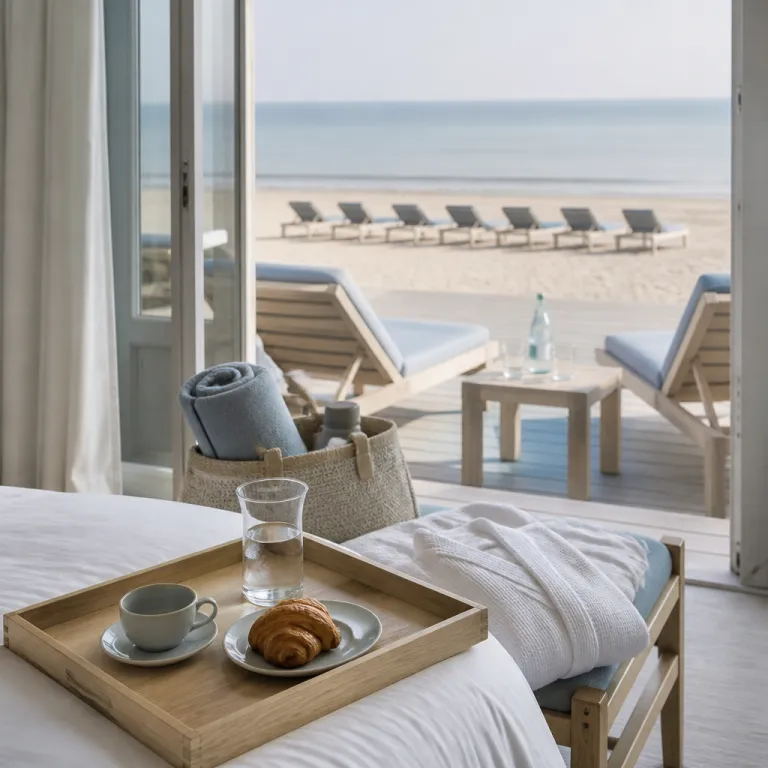
How peak-season pricing really works at the seaside
Understanding peak-season seaside hotel pricing starts with one simple reality. High summer brings near full occupancy, and most hotels along the beach quietly shift from selling rooms to managing scarcity. When a coastal hotel in a prime island location is running at around 95 percent occupancy, the nightly rate stops being a gentle suggestion and becomes the hard price of entry to the shoreline. Recent STR and regional hotel association data for popular U.S. and Caribbean beach markets show high-summer occupancy regularly pushing into the low- to mid-90 percent range, which leaves little room for discounting.
Across the best luxury hotels and premium beach resorts, the average peak-season rate for a well-located resort hotel now often hovers around 300 USD per night, excluding taxes and service charges. Industry benchmarks from STR and CBRE for upscale coastal properties in destinations such as South Florida, Southern California, and the northern Caribbean cluster around that figure, which reflects not only the view of the beach but also the cost of extra staffing, extended pool and beach club hours, and the invisible machinery that keeps a full property running smoothly. When you book a family-friendly beach hotel in July or August, you are paying for the entire high-season ecosystem, not just the room where you sleep.
Hotel management teams in places like Palm Beach or other beach towns in Florida plan their seasons a year ahead, calibrating every rate to demand curves and flight schedules. In Seaside City or in a polished California coastal town, the same logic applies whether the property is a compact luxury hotel or one of the larger resort-style hotels with several pools and a full resort spa. For families, the key is to read those prices not as a shock but as a breakdown of what the hotel must provide to justify the premium, from lifeguards and kids’ activities to housekeeping teams working at full stretch.
What your summer rate actually includes for families
When you look closely at peak-season seaside hotel rates, the headline price often hides a long list of inclusions. Amenities typically include breakfast, Wi-Fi, and access to core hotel facilities. In practice, that means your nightly price at a beach resort usually covers the basics of daily life, while the real differentiator lies in how the property handles the shoreline, the pools, and the children who will be using them all day.
At a serious family-focused resort hotel, the room rate in high summer usually buys you extended kids’ club hours, lifeguard-supervised beach zones, and later pool closing times that match the longer daylight. Many hotels on the beach in Los Cabos or the Dominican Republic now bundle complimentary non-motorized water sports into their offers, so paddleboards and kayaks are part of the experience rather than an extra line on your bill. For parents, that can transform a standard hotel stay into a full day of seaside activity without constantly signing chits or negotiating add-ons.
Look for clear explanations of what is complimentary and what is not before you book, especially when browsing a collection of luxury hotels online. Families choosing a favorite property should pay attention to whether the room category includes direct beach access, or if you will be crossing a road with strollers and beach bags every morning. For more detail on how to match a hotel to your children’s rhythms, guides such as this one on summer at the shore with children can help you decode which resort-style hotels genuinely let the sea do the entertaining.
What genuinely improves in July and August
The real test of peak-season seaside pricing is whether the experience itself changes in summer. Some elements of a coastal resort are constant across seasons, from the thread count on the sheets to the training of the spa therapists. Others only come alive when the water warms, the evenings stretch, and the hotel leans fully into its shoreline setting with programming that simply does not run in cooler months.
In July and August, the water temperature usually rises to the point where even cautious swimmers are happy to stay in the sea for long stretches, which matters if you have children who treat the beach as their personal playground. Daylight hours extend, which allows resort properties to run early-morning paddle sessions, late-afternoon sailing lessons, and unhurried outdoor dining that rolls straight into sunset. Many seasonal beach hotels and independent luxury addresses also expand their children’s programming, adding sandcastle workshops, supervised beach club movie nights, and family-friendly live music on the terrace.
Outdoor dining is where the premium can feel most justified, especially at a fine resort spa with a serious culinary team. In peak months, chefs at a Palm Beach resort or a quiet stretch of the California coast often design seasonal menus that lean into local seafood, late-harvest vegetables, and lighter dishes that work in the heat. If you value restraint and atmosphere as much as spectacle, look for properties aligned with the ethos of quiet luxury coastal hotels, where the focus is on the sound of the tide rather than the volume of the DJ.
What stays the same, whatever the season
Not every line in a peak-season seaside pricing calculation changes with the calendar. Some of the most important elements of a high-end beach hotel are fixed, whether you arrive in high summer or during a softer shoulder month. That is why travel advisors increasingly steer financially disciplined families toward late summer or early fall, when the same core quality is available at a gentler rate without sacrificing comfort.
The physical property does not move, and a resort with a front-row position on the beach in Turks and Caicos or the Caicos Islands will still have that view in October. The architecture, the size of the rooms, the quality of the mattresses, and the training of the concierge équipe are structural advantages that do not fluctuate with seasons. A serious resort hotel in Fort Lauderdale or Palm Beach will maintain its housekeeping standards, its safety protocols, and its baseline service levels even when occupancy drops and rates ease.
What may shift is the tempo rather than the substance, with fewer poolside activities scheduled and a quieter beach club atmosphere once families return home. For many premium family travelers, that slower rhythm actually increases perceived value, because the same luxury hotels and resort properties feel more accessible and less congested. If you care more about space, service attention, and easy access to spa appointments than about the hottest week of the calendar, shoulder periods can deliver a better balance between price and experience.
When the summer premium is truly worth paying
There are moments when paying a summer premium at a seaside hotel is not just defensible but compelling. New openings in their debut seasons often run at full creative power, with owners on site, chefs in the kitchen, and management determined to impress every guest. In those first months, the energy of a fresh resort on a dramatic beach can justify a rate that would feel steep once the novelty fades and operations settle into routine.
Limited-capacity properties under about 30 rooms are another case where the premium makes sense, especially when the resort sits directly on a sheltered beach with no public access path. In such hotels, the room rate is effectively buying you space and privacy, because the number of guests who can share the shoreline is capped by design. Families who value a quiet cove in the Dominican Republic or a tucked-away playa near Los Cabos often accept higher peak-season pricing in exchange for that controlled environment and the sense of having the bay almost to themselves.
Exceptional locations where summer unlocks experiences unavailable in shoulder months also merit a closer look, from a Palm Beach resort with nesting sea turtles to a California coastal hotel where whales pass close to shore. In these cases, the rate is tied to a narrow window of natural spectacle, not just to school holidays and flight schedules. For a deeper sense of how to move elegantly between such properties, guides like this one on riding in style between beachfront resorts show how seasoned travelers stitch multiple stays into a single, high-value coastal journey.
How to read the bill and protect your value
Understanding seaside hotel value in peak season ultimately comes down to reading the bill with a clear eye. Families want transparency about what the rate includes, especially regarding beach access, airport transfers, meal plans, and resort fees. That means asking the hotel to spell out which services are complimentary, which are charged per room, and which are priced per person so you can compare options accurately.
Before you book, request a full breakdown of nightly costs, including any resort fee that might cover beach chairs, towels, and access to the spa wet areas. Some hotels may charge extra for parking or mandatory service fees. When you compare a beach resort in coastal Florida with a luxury hotel in Turks and Caicos, make sure you are aligning like with like, including breakfast, kids’ club access, and any compulsory charges that sit excluding taxes on the final folio.
During your stay, pay attention to how the property handles small requests, from extra towels in the room to late checkout on departure day. A hotel that responds quickly and gracefully, whether in Seaside City or on a remote island, is signaling that its peak-season rate is backed by a serious service culture. If you feel that the experience is falling short of the promise, speak directly with hotel management while you are still on site, when there is time for the équipe to correct course and restore the balance between price and value.
Key figures behind peak-season seaside pricing
- The average peak-season rate for a well-located seaside hotel is around 300 USD per night, according to recent STR and CBRE reporting on upscale coastal markets, which sets a realistic benchmark for families comparing beach properties.
- Occupancy in prime beachfront hotels during high summer can reach about 95 percent, based on data from a regional seaside hotel association and STR trend reports, which explains why flexible dates often unlock better value.
- Travel advisors report that high-end clients increasingly shift stays to fall shoulder periods, when the same luxury hotels offer lower rates and easier access to cultural attractions without heavy congestion.
- Contactless check-in and digital concierge tools are now standard in many upscale beach resorts, reducing wait times at reception and improving perceived value during busy arrival windows.
- Eco-friendly accommodations along the coast are gaining share in the luxury segment, as families factor sustainability into their assessment of whether a higher rate feels justified.
FAQ about peak-season seaside hotel value
What amenities are typically included in peak-season seaside hotel rates?
Amenities often include breakfast, Wi-Fi, and access to hotel facilities. In many beach resorts, that also covers pool use, basic fitness areas, and standard housekeeping, while extras such as premium spa treatments or private cabanas are charged separately.
Are there additional fees during peak season?
Some hotels may charge extra for parking or resort fees. These charges can cover items like beach chairs, towels, fitness classes, or local shuttle services, so it is essential to ask for a full list of inclusions before confirming your booking.
How far in advance should I book a seaside hotel for peak season?
It is recommended to book at least 3–6 months in advance. This window gives families the best chance of securing connecting rooms, preferred views, and fair rates at in-demand properties, especially in destinations with limited beachfront inventory.
How can I tell if a peak-season rate offers good value for my family?
Compare what is included in the nightly rate across several hotels, focusing on beach access, kids’ programming, meal plans, and any complimentary activities. A higher price can represent better value if it replaces multiple daily extras, reduces logistical stress, and delivers a genuinely superior seaside experience.
Is it better value to stay in shoulder season instead of peak summer?
For many premium family travelers, shoulder seasons such as late summer or early fall offer a stronger balance between rate and experience. You often enjoy the same quality of rooms, service, and shoreline access at lower prices, with fewer crowds and easier access to restaurants and cultural attractions.