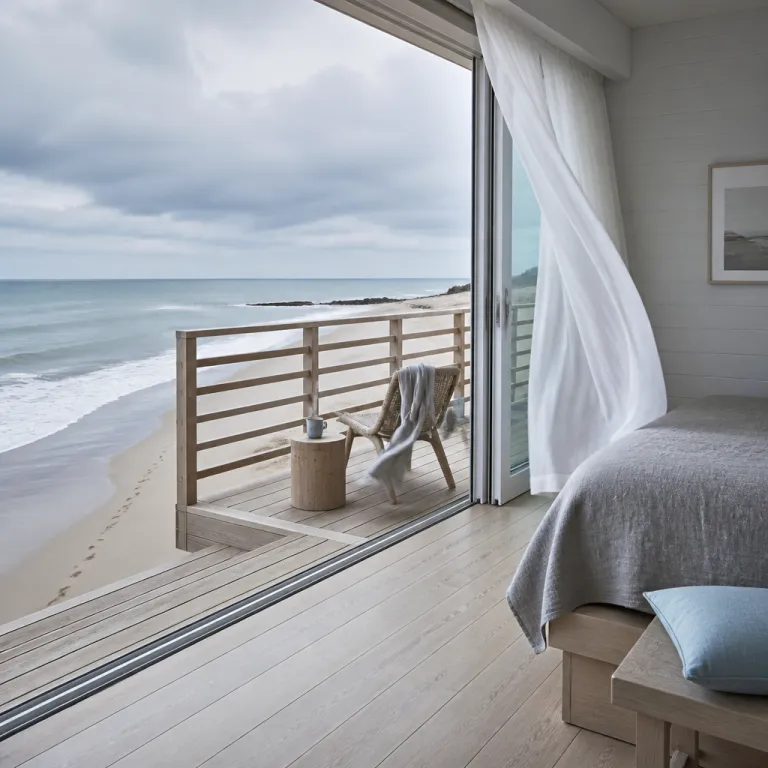
The solo coastal mindset: what a luxury seaside hotel solo traveler really needs
Traveling solo to the sea is not a compromise; for a seasoned solo traveler it is often the purest way to feel the shoreline. A genuinely refined luxury seaside hotel for an independent guest understands that you are here to listen to the ocean, not to the next table’s small talk, and it shapes every detail of your stay around that quiet intention. When solo travelers choose a coastal hotel, they are usually chasing relaxation, self reflection and an escape from routine rather than a packed social calendar.
Across leading resort properties, managers now track how many guests are traveling solo and design specific experiences for them, from single occupancy room categories to spa rituals timed for the calmest part of the day. Industry research from operators such as Intrepid Travel and Booking.com shows that solo travel has been growing steadily year over year; Booking.com’s 2023 solo travel report, for example, found that around 60% of global respondents were considering a trip alone in the next 12 months, which means coastal hotel teams can no longer treat a solo traveler as an exception. Many hotels are eliminating single supplements, designing spaces for solo guests and offering social opportunities for individuals who want connection without pressure.
For a luxury seaside hotel solo traveler, the first decision is not about the number of pools or the size of the spa, but about how close you will actually be to the sea and the beach. You want the room where you fall asleep to the tide, where a morning breeze carries the salt of the ocean and the soft sand is a two minute barefoot walk away. Before you book your stay, read the fine print and study maps carefully, because some properties sell a distant blue line of water as if it were the atlantic ocean at your doorstep.
Designing for solitude, not loneliness: how spaces signal solo friendly luxury
The best coastal hotel for a luxury seaside hotel solo traveler is not always the flashiest resort on the bay; it is the one whose architecture and layout make you feel held but never hemmed in. Look for a hotel where bar seating faces the sea, so a solo traveler can dine with a view of the ocean rather than a wall of couples, and where communal tables are an option rather than an obligation. When you read floor plans or photo galleries, pay attention to how the room connects to nature, because a narrow balcony over a car park will not soothe you after a long day of traveling solo.
Thoughtful design starts with the room itself, from a generous desk facing the sea to a window seat where you can watch the beach without feeling on display. Lighting matters as much as layout; lantern lit paths at night can guide solo travelers safely back from the spa or pools while still preserving the dark sky and the sound of the waves. Public spaces should offer both intimacy and energy, with quiet corners for reading and art filled lounges where guests can join a conversation if the day’s solitude has been enough.
Restaurants at a solo friendly seaside hotel often reveal their philosophy more clearly than any marketing copy about luxury or courtesy. You want menus that highlight locally sourced seafood and vegetables in portions that make sense for one person, not just for sharing, and staff trained to treat a solo traveler as a valued regular rather than a table to turn quickly. For a deeper breakdown of what actually justifies a premium when your room faces the sea, the guide on evaluating true sea facing value is essential reading before you book.
Timing the tides: why solo travelers win the best hours of the day
One quiet advantage of being a luxury seaside hotel solo traveler is that your schedule bends with the tide, not with anyone else’s alarm clock. Coastal hotel managers confirm that solo travelers are often the first guests on the beach at dawn, when the soft sand is still cool and the sea is glassy enough for a meditative swim. Those early hours also mean first choice of sunbeds, uncrowded pools and spa appointments at the most restorative times of the morning.
Many resorts now curate activities that align perfectly with traveling solo, from sunrise yoga on a wooden deck above the ocean to guided shore walks that introduce the local nature without forcing small talk. A solo traveler can join a morning swim club, then retreat to a lantern lit terrace at night with a book, moving between company and solitude as the day unfolds. Hotels offering solo traveler packages often schedule water sports sessions, such as paddleboarding or sea kayaking, in small groups so guests can feel safe on the water while still enjoying the freedom of being alone.
When you plan your book stay, think in terms of light and tide rather than only in terms of check in and check out. Ask the hotel which side of the property catches the first sun, which pools are quietest at midday and where you can visit the ocean without crossing busy roads. For an insider level coastal escape that puts salt on your lips by morning, the editorial guide on choosing the right coastal escape offers practical frameworks that work especially well for solo travelers.
From plate to tide line: sensory details that matter when you are alone
When you travel alone, every sensory detail of a seaside stay becomes sharper, which is why a luxury seaside hotel solo traveler should pay close attention to how a property talks about taste and texture. Menus that highlight locally sourced fish, citrus and herbs allow you to taste texture and terroir in a way that anchors you to the place, especially when you are dining without distraction. A solo traveler sitting at a counter facing the sea, with a plate of grilled octopus and a glass of crisp white wine, will remember the sound of the ocean as clearly as the food itself.
Well run coastal hotels understand that art and design can soften the edges of solitude, turning a simple room into a sanctuary for solo travelers. You might find photography of the atlantic ocean in winter storms, ceramics glazed in sea foam colours or textiles that echo the ripples of pools and waves. These touches are not decoration for decoration’s sake; they are signals that the hotel respects the emotional landscape of guests who are traveling solo and may be using the trip for self reflection or personal growth.
Evening is when the right property proves its worth to a luxury seaside hotel solo traveler, especially once the day visitors leave the beach. Lantern lit walkways, quiet lounges with shelves of books to read and staff who offer a warm goodnight without hovering can make you feel safely alone rather than conspicuously single. For an example of how intentional design and private pools can redefine coastal luxury for independent guests, study the case of Cycladic seaside suites highlighted in the feature on private pool suites near Naoussa.
How to read a beachfront listing when you are booking solo
Most booking platforms were built around couples and families, so a luxury seaside hotel solo traveler has to read between the lines. When you scan photos of a resort, look for images that show a single chair facing the sea, a solo place setting at the bar or a room with a generous lounge chair by the window, because these details reveal how the hotel imagines its guests. If every image shows groups and pairs, you may still enjoy the beach and the ocean, but you might feel like an exception rather than part of the story.
Pay attention to language about courtesy and service, especially in reviews written by solo travelers who mention safety, staff recognition and flexibility. The dataset of industry research is clear on one point: “Are coastal hotels suitable for solo travelers? Yes, many are adapting to accommodate solo guests. Do solo travelers pay more at hotels? Some hotels charge single supplements, but this is changing. What amenities do solo-friendly hotels offer? Social events, communal spaces, and safety features.” Those lines capture a shift in how hotels think about solo guests, and they should guide the questions you ask before you book.
When you contact a hotel directly, ask specific questions about yoga schedules, water sports options, spa access for single guests and whether they can arrange small group excursions into nearby nature. Clarify whether the room you are booking has a genuine sea view or only a partial glimpse of the atlantic ocean, and whether you can reach the soft sand of the beach without crossing traffic. The more precisely you frame your needs as a solo traveler, the more likely you are to secure a stay that feels quietly luxurious rather than accidentally lonely.
FAQ
Are coastal hotels suitable for solo travelers who want privacy and safety?
Many coastal hotels are now explicitly designed to welcome solo travelers, with secure room corridors, well lit paths and staff trained to recognise guests by name. Properties that focus on a luxury seaside hotel solo traveler often combine private terraces and quiet pools with social spaces you can join on your own terms. When researching, prioritise hotels that mention solo traveler packages, safety features and staff availability at all hours.
Do solo travelers usually pay more for a seaside hotel stay?
Some hotels still apply a single supplement when one guest occupies a room priced for two, which can make a resort stay more expensive for a solo traveler. However, the growth in solo travel has pushed many coastal hotels to introduce dedicated single occupancy rates or to remove supplements during certain periods. When you plan to book your stay, ask directly about single supplements and look for promotions aimed at solo travelers.
What amenities should a solo traveler look for in a beachfront hotel?
A luxury seaside hotel solo traveler should look for a mix of privacy and optional connection, such as sea facing bar seating, small group yoga classes and guided water sports. A good coastal hotel will also offer a spa with flexible appointment times, secure access to the beach and staff courtesy that feels attentive without being intrusive. Social events like communal dinners or morning swim clubs can be valuable if they are clearly optional rather than mandatory.
How can I tell if a seaside hotel will feel comfortable when I am traveling solo?
Reading recent reviews from solo travelers is one of the most reliable ways to gauge how a hotel treats guests who arrive alone. Look for comments about how staff handled dining alone, whether the room felt safe and whether there were quiet spaces to read or relax by the ocean. If the hotel responds thoughtfully to solo traveler feedback, that is a strong sign that your stay will feel both respected and relaxed.
Is it better for solo travelers to choose a large resort or a smaller coastal property?
Larger resorts can offer extensive pools, multiple restaurants and a wide range of water sports, which some solo travelers appreciate for variety. Smaller coastal properties often excel at recognising guests, tailoring activities and creating spaces where a solo traveler never feels out of place. The best choice depends on whether you value anonymity and scale or personal connection and a more intimate relationship with the sea.