Six Senses AMAALA Red Sea resort wellness longevity in Triple Bay
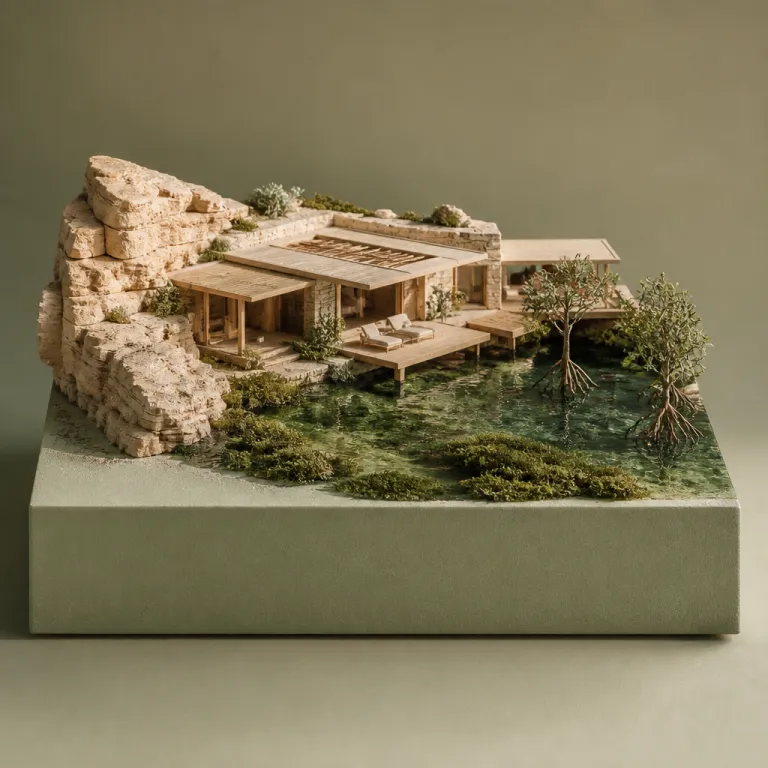
Six Senses AMAALA Red Sea resort wellness longevity positions Triple Bay as the Middle East’s most focused coastal longevity hub. The resort sits between desert cliffs and a mangrove edged lagoon on the Red Sea in Saudi Arabia, with 100 suites and villas arranged so that almost every room frames a low slung sea view rather than a distant blue strip. Six Senses Hotels Resorts Spas operates the resort for Red Sea Global, and the design leans into traditional Saudi coastal architecture while targeting LEED Platinum certification for its eco friendly infrastructure.
The location inside AMAALA Saudi Arabia is precise rather than generic ; Triple Bay curves around a protected inlet where the sea senses shift from glassy dawn to wind brushed afternoons. Guests arrive into a sequence of shaded courtyards that reference older Arabia senses traditions, then move towards the water where branded residences sit closer to the lagoon edge. There are 25 branded residences in total, giving long stay guests a different way to inhabit the bay while still using the same wellness, marine life and dining facilities as the main resort.
For coastal travelers comparing Red Sea destinations, this AMAALA Saudi project feels more intimate than the vast southern dunes style developments further down the coast. The dunes red backdrop is still present, but here the emphasis is on how the sea, the cliffs and the mangroves interact with wellness rather than on sheer scale. That makes Six Senses AMAALA Red Sea resort wellness longevity a different proposition from larger hotels resorts in the kingdom, and closer in spirit to places like Zighy Bay in Oman or the desert edged Senses Shaharut in Israel, even though the cultural context in Saudi Arabia is distinct.
Within the wider portfolio, the operator is clearly using senses AMAALA to extend a network that already includes Senses Zighy at Zighy Bay, Israel Senses at Shaharut and Senses Palm in Dubai. Those properties taught the brand how to balance raw topography with high touch service, and the new resort applies that knowledge to a Red Sea lagoon where marine life is still relatively undisturbed. For travelers who usually check into London flagships before flying to the Middle East, the shift from city energy to this quieter bay is immediate and deliberate.
Red Sea Global describes the opening as part of a broader push to enhance tourism offerings, promote wellness tourism and support the national Vision 2030 agenda. In practical terms that means the resort will add capacity for high spending guests who want both privacy and access to structured wellness programmes, rather than just another line on a list of Saudi hotels. The address at Triple Bay, AMAALA, Saudi Arabia, already appears on specialist booking platforms for luxury beachfront hotels, where the combination of desert cliffs, lagoon water and longevity focused spa programming stands out in a crowded destination field.
Biohacking, sleep and spa: how longevity works at the water’s edge
The Six Senses Spa anchors the Six Senses AMAALA Red Sea resort wellness longevity concept with a Longevity Centre, a Biohacking Recovery Lounge and a Watsu pool. Biohacking here means structured use of advanced wellness technologies such as contrast therapy, targeted light treatments and guided breathwork, all calibrated to improve sleep quality, recovery and metabolic health over a defined stay. Thermal facilities include saunas and a salt room, while a sound dome uses vibration and frequency to create a cocooned experience that feels very different from a standard hotel spa circuit.
For guests used to more medical leaning coastal wellness, the set up will feel closer to the hyperbaric suites and saltwater chambers now appearing in some high end resorts, a trend we have analysed in detail in our feature on the medical turn in coastal hotel wellness. Here, though, the emphasis is on integrating those tools with the rhythms of the Red Sea, so a therapist might time a session to coincide with cooler evening breezes off the water. The idea is that the sea, the desert air and the controlled spa environment work together, rather than competing for your attention.
Sleep optimisation runs through the room design, from blackout systems to natural materials that moderate temperature swings between hot Saudi days and cooler nights. Guests can check their own data through in room tools or simply rely on the équipe to adjust lighting, timing and treatment sequences, depending on how they feel after a day in the sun. For solo travelers, that means you can arrive with a loose goal, such as better sleep or faster recovery, and leave with concrete results rather than vague wellness impressions.
The non alcoholic beverage programme reinforces this approach, especially in a Saudi Arabia context where alcohol free hospitality is the norm rather than an exception. Three restaurants — Soraya on the mesa top with Japanese Latin fusion, Joud with Mediterranean Middle Eastern plates and a Beach Shack on the sand — all integrate fermented drinks and probiotic tonics into their menus. That makes it easier to add small, cumulative wellness choices throughout the day, instead of treating the spa as a separate, isolated activity.
Bunna roastery, Makhbaz bakery and the Nafas cooking school extend the focus on gut health and local ingredients into everyday rituals like coffee, bread and shared meals. For guests who usually associate the Middle East with heavy hotel buffets, the lighter, fermentation forward approach at this resort will feel like a reset. It also aligns with the brand’s other properties in the region, from Senses Southern style desert retreats to the more urban Senses Palm in Dubai, where food and beverage programmes are increasingly used as subtle wellness tools rather than just indulgent add ons.
Marine life, conservation and how AMAALA compares to other coastal stays
Beyond the spa, the Corallium Marine Life Institute positions Six Senses AMAALA Red Sea resort wellness longevity as a conservation led property rather than a simple beach escape. The institute focuses on coral restoration, marine research and guest education, using the relatively pristine Red Sea environment as both laboratory and classroom. For travelers who care about the health of the sea as much as the softness of the sand, that combination is becoming a key booking factor.
Compared with more established Red Sea destinations, AMAALA feels more curated and less built up, with strict controls on light pollution and boat traffic to protect marine life. That sets it apart from older hotels resorts along the Egyptian coast, where reef pressure has been higher for decades, and from some southern dunes projects where the emphasis is still on scale. Here, the lagoon, the bay and the surrounding kingdom landscape are treated as assets that must be preserved if the destination is to remain viable.
For readers weighing this resort against other marine wellness escapes, it helps to think of it alongside the serene beachfront wellness escapes at the best resorts in the Maldives, but with a distinctly Arabian context. The water clarity and reef structures are comparable, yet the cultural frame is Saudi rather than island nation, which affects everything from dress codes to dining rhythms. Respecting local customs, preparing for the hot climate and checking visa requirements remain essential steps before you book.
Within the broader network of coastal properties, this opening sits on the same mental map as Zighy Bay in Oman, Senses Shaharut in Israel and Senses Palm in Dubai, each offering a different balance of remoteness, access and cultural immersion. Travelers who have stayed at Israel Senses properties or at Senses Zighy often describe a similar feeling of being held between stark landforms and a calm sea, and AMAALA Saudi extends that sensation into a new corner of the Middle East. For solo explorers, that means you can build an itinerary that moves from bay to bay, dune to dune and sea to sea without repeating the same experience.
As luxury coastal hospitality evolves, projects like this sit alongside more experimental concepts such as yacht hotels and floating platforms, which we have examined in our report on the rise of yacht hotels and floating luxury. Six Senses AMAALA, though, stays firmly on land, using its desert cliffs and mangrove lagoon to frame a very grounded sense of place. For now, it stands as one of the clearest expressions of how a Red Sea resort in Saudi Arabia can combine longevity science, marine conservation and precise shoreline design into a single, bookable destination.