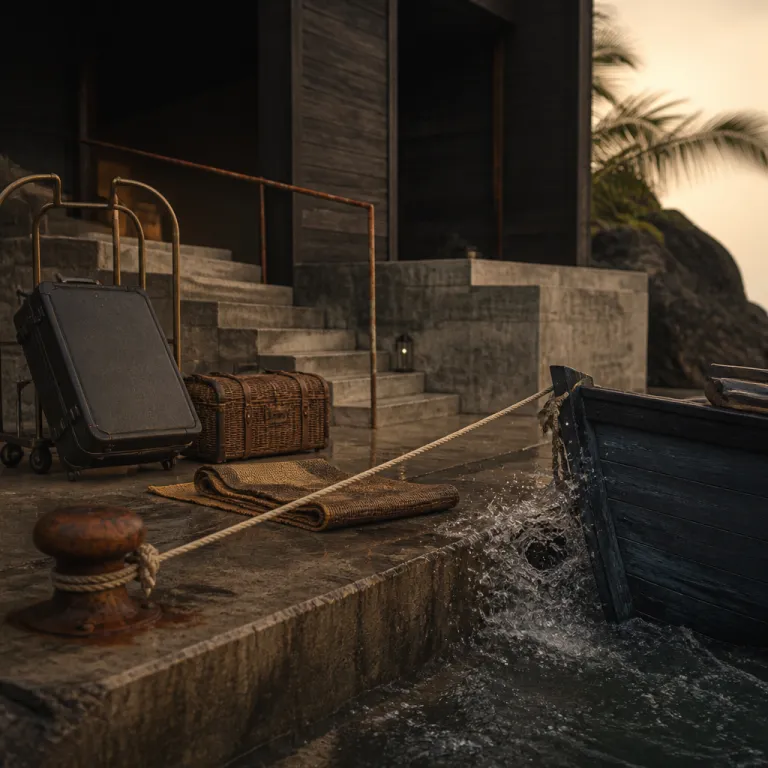
The private island hotel transfer arrival seaplane experience, reimagined
The most memorable private island stays begin long before check in. A carefully staged private island hotel transfer arrival seaplane experience turns simple transport into the first chapter of your island story. For solo travelers, that first glimpse of the island from the plane window can feel like crossing a threshold you did not know you needed.
In the Maldives, the choreography starts at the international airport, where guests step from their international flight into a dedicated seaplane terminal scented with salt and jet fuel. Here, seaplane operators such as Manta Air and Trans Maldivian Airways manage an intricate ballet of flights, luggage, and weather windows that defines the classic Maldives seaplane ritual. The best resorts treat this terminal as an extension of the property, with lounges that soften the air conditioning, frame views Maldives style, and quietly reset your internal clock.
From Malé’s seaplane terminal, the short seaplane flight to a private island resort Maldives property is rarely just a transfer. You are flying low over the Indian Ocean, watching sandbanks and reefs slide beneath the plane window like a living map. That first arrival seaplane descent, floats skimming the air before touching the lagoon, is often the moment guests finally exhale.
Flagship addresses such as Four Seasons Resort Maldives at Landaa Giraavaru, Four Seasons Resort Maldives at Kuda Huraa, Cheval Blanc Randheli, and the various Seasons Resort branded properties have turned the Maldives private transfer into a signature. Some operate a fully private seaplane for their guests, branded from tail to cabin, while others charter premium cabins on shared seaplane transfers. Either way, the private island hotel transfer arrival seaplane experience is designed to feel curated rather than crowded.
For solo explorers, this is where the emotional shift begins. You leave the international terminal noise behind, step into the smaller air terminal world, and feel the scale of your journey shrink to one plane, one island, one flight. The combination of warm air, engine hum, and the slow reveal of your resort Maldives destination through the window is the opposite of anonymous flying.
Seaplanes, speedboats, helicopters: what your arrival says about the stay
Not every private island sits on a Maldivian atoll, and not every arrival seaplane option is practical. The private island hotel transfer arrival seaplane experience is one chapter in a wider story of how islands use transport to set the tone. Your choice between seaplane, speedboat, helicopter, or ferry and tender quietly signals what kind of solitude you are buying.
In the Maldives, the archetype remains the maldives seaplane hop from the international airport to a remote island, with seaplane transfers ranging from 20 to 50 minutes. These flights skim low over the Indian Ocean, so guests can trace reefs and lagoons and collect their own mental views Maldives portfolio. A private seaplane raises the stakes further, turning the short flight into a flying lounge where luggage is stowed neatly, noise cancelling headphones appear, and the cabin feels like a prelude to your villa.
Elsewhere, speedboats dominate. In the Caribbean or the Greek islands, a private island may rely on a fast boat from a mainland terminal, trading aerial drama for the physical sensation of cutting through waves. For some travelers, especially those who dislike flying in small planes, the rhythm of the hull and the spray of air on your face are more appealing than any seaplane flight, even if the ride can be rough in certain seasons.
Helicopters come into their own in archipelagos such as the Seychelles, where inter island hops can be short but spectacular. A helicopter transfer offers the same low altitude drama as a maldives seaplane, but with tighter weight limits on luggage and a more intense sense of exposure to the elements. For solo guests, that intimacy can feel either thrilling or claustrophobic, so it is worth asking the resort about alternative flights or boat options.
Then there are layered journeys, where you board a ferry from an international terminal, then switch to a smaller tender for the final approach. These multi stage transfers can feel like a pilgrimage, especially when the last leg glides into a quiet cove at dusk. If you are drawn to more experimental forms of overwater hospitality, it is worth reading about the rise of yacht hotels and floating luxury concepts, which blur the line between transfer and stay entirely.
The emotional arc of island arrival: from terminal glare to lagoon light
What separates a routine transfer from a true private island hotel transfer arrival seaplane experience is the emotional arc. You begin under fluorescent light at an international terminal, juggling luggage and paperwork, and end with bare feet on a jetty, watching your plane depart. That shift from hard surfaces to soft air is what many solo travelers are really paying for.
On a classic maldives seaplane route, the transition is almost cinematic. You leave the international airport, step into a quieter seaplane terminal, and feel the volume drop as staff handle your luggage and check your seaplane flight details. Once you are flying, the noise of the plane becomes a kind of white air curtain, separating you from messages, meetings, and the mainland.
As the island comes into view, the choreography tightens. Resorts like Landaa Giraavaru, Kuda Huraa, and Cheval Blanc Randheli time their welcome so that staff are already on the jetty when the arrival seaplane skims in, often barefoot, often with cold towels and coconut water. The best seasons resort teams understand that this first contact sets expectations for the entire stay, especially for guests arriving alone after a long international flight.
For many, the most powerful moment is not the landing itself but the silence after. The seaplane operators push the plane off the dock, the engines fade, and you are left with the sound of the lagoon and your own breathing. That is when the private island label stops being marketing and starts feeling like geography.
Some properties extend this emotional arc with small but thoughtful rituals. A short barefoot walk along the jetty before the buggy ride, a pause at a lookout where the views Maldives style are framed just so, or a quiet check in in your villa rather than at a desk. If you are curious how high end resorts price these layers of service, it is worth reading an analysis of what your rate actually buys at a peak season seaside hotel, because transfers are often a separate line item.
Weather, delays, and keeping the spell intact
Every private island hotel transfer arrival seaplane experience lives at the mercy of weather. Seaplanes need daylight and relatively calm air, speedboats dislike heavy swell, and helicopters are grounded when visibility drops. The question is not whether disruptions will happen, but how your chosen resort handles them.
In the Maldives, seaplane operators work within strict safety envelopes, which means flights can be delayed or cancelled when storms roll across the Indian Ocean. Resorts that rely heavily on maldives seaplane links, including marquee names like Landaa Giraavaru, Kuda Huraa, and Cheval Blanc Randheli, build contingency plans into their daily operations. That might mean rebooking guests onto later seaplane transfers, arranging overnight stays near the international airport, or switching to a domestic flight and speedboat combination when the seaplane terminal is closed.
For solo travelers, the key is to understand these scenarios before you book. Ask your resort Maldives reservations team what happens if your international flight lands after the last seaplane flight of the day, or if strong winds keep the arrival seaplane grounded. A property that answers clearly, with specific timings and costs, is more likely to protect both your schedule and your mood.
Some high end resorts now treat disruption management as part of the luxury promise. They may offer complimentary day rooms near the international terminal, proactive rebooking of flights, or hosted lounges where guests can rest while waiting for clearer air. Others go further, using the delay to introduce the property’s story through tastings, short spa treatments, or curated views Maldives style from a private lounge terrace.
Weather can also affect your departure, which often feels more emotional than arrival. Leaving a private island by seaplane or boat is not like checking out of a city hotel, because you are literally watching the island shrink behind you. When seas are rough or the plane is bouncing through clouds, a calm, well briefed team and clear communication about timings will matter more than any welcome drink ever did.
Luggage, weight limits, and the reality of small aircraft
Behind the romance of any private island hotel transfer arrival seaplane experience lies a more prosaic truth. Small planes and boats have strict weight limits, and your luggage is part of that equation. Ignoring this reality is the fastest way to start your island escape with stress.
Most maldives seaplane operators cap checked luggage at around 20 kilograms per person, with additional charges for excess weight and occasional delays for oversize items. On a private seaplane, the rules can be more flexible, but the physics of flying low over the Indian Ocean in a small plane do not change. Helicopters and tiny inter island aircraft can be even stricter, sometimes weighing both guests and bags at the terminal.
Resorts that understand solo travelers often offer pre arrival guidance that goes beyond a generic packing list. They will explain how many soft bags fit comfortably in the seaplane cabin, whether hard suitcases need to be stowed separately, and how long delayed luggage might take to reach a remote island. Some ultra high end properties even arrange door to door luggage services from your home to the resort Maldives address, so you can board your international flight with only a carry on.
On arrival, watch how your luggage is handled between the international airport, the seaplane terminal, and the island jetty. A seamless chain, where tags are checked at each step and staff confirm room numbers, is a quiet sign of operational maturity. If you are connecting through hubs like Malé, ask whether your bags are rechecked automatically for the maldives private segment or whether you must clear them at the terminal.
For solo explorers who travel light, these constraints can be liberating. Knowing that your plane window seat, your hand luggage, and a single soft duffel are all you need shifts the focus from outfits to experiences. It also makes those short walks along the jetty, with the air still vibrating from the seaplane flight, feel less like logistics and more like a deliberate part of the journey.
What to ask before you book a private island stay
Choosing a private island is not just about the villa or the spa. For a solo traveler, the private island hotel transfer arrival seaplane experience can shape the entire stay, so it deserves the same scrutiny as room categories. A few precise questions before you commit will reveal whether the journey matches your appetite for adventure and comfort.
Start with timing. Ask how long the transfer from the international airport to the island actually takes, including waiting time at the seaplane terminal or boat jetty. Clarify the last seaplane flight of the day, and what happens if your international flight is delayed beyond that window.
Next, interrogate the cost structure. Some resorts bundle seaplane transfers into the nightly rate, while others charge per person, per leg, which can add significantly to the bill in peak seasons. If you are comparing properties like Landaa Giraavaru, Kuda Huraa, Cheval Blanc Randheli, or another seasons resort in the Maldives, ask for a full breakdown of transfer pricing alongside room rates.
Then, look at backup options. Does the resort have access to multiple seaplane operators, or are they tied to a single provider ? Can they switch to domestic flights and speedboats if the maldives seaplane network is disrupted by weather over the Indian Ocean ? A property that can pivot quickly will protect both your time and your nerves.
Finally, consider how the transfer aligns with your own travel style. If you are drawn to experimental coastal projects, you might also be interested in destinations where the journey is as curated as the stay, such as the new Red Sea resorts that choreograph arrivals between desert cliffs and mangrove lagoons. Whether you choose a maldives private island reached by seaplane flight, a Caribbean cay accessed by speedboat, or a remote atoll linked by multiple flights, the goal is the same. Getting there should feel like the first, deliberate act of slowing down.
Leaving the island: why departure feels different here
The end of a private island stay carries a weight that city checkouts rarely match. When your departure begins with a seaplane or boat, you are not just leaving a room, you are leaving a geography. That is why the best properties design the departure as carefully as the private island hotel transfer arrival seaplane experience.
In the Maldives, the reverse choreography starts at the jetty. Guests board the maldives seaplane with sun warmed skin and salt stiff hair, watching staff shrink on the dock as the plane lifts off over the Indian Ocean. The views Maldives offers on departure are often softer than on arrival, tinted by the knowledge that you are flying away from your temporary island home.
Thoughtful resorts manage this moment with restraint. Instead of a forced farewell, they might offer a quiet early breakfast, a final swim, or a short spa treatment timed to end just before your seaplane flight. Luggage is collected discreetly, checked through to the international terminal when possible, and reunited with you only when you are ready to face the mainland again.
For solo travelers, departure can feel unexpectedly emotional. You arrived as a single name on a manifest, perhaps anxious about small planes or new seas, and you leave with a mental map of the island’s paths, tides, and faces. The hum of the plane, the thinning air, and the last sight of the resort Maldives jetty through the window can feel like closing a chapter rather than ending a holiday.
Back at the international airport, the contrast is sharp. Fluorescent light replaces lagoon shimmer, and the air smells of coffee and duty free rather than salt and frangipani. Yet if the journey has been well designed, that contrast will feel like proof that the island was real, not a generic resort bubble, and that getting there and back was always meant to be half the stay.
Key figures on private island transfers and seaplane travel
- According to the Maldives Ministry of Tourism, more than 60 private island resorts currently rely on scheduled or chartered seaplane transfers from Malé, underscoring how central the maldives seaplane network has become to the country’s hospitality model.
- Industry data from the Maldives Civil Aviation Authority indicates that seaplane operators in the country collectively operate several hundred flights per day in peak seasons, making the Maldives one of the busiest seaplane markets in the world by movements.
- Typical checked luggage allowances on Maldivian seaplane flights are around 20 kilograms per person, with excess baggage charged per kilogram, which can add a noticeable cost for guests traveling with multiple large suitcases.
- Travel time from Malé International Airport to remote atoll resorts by seaplane usually ranges between 20 and 50 minutes, compared with several hours by speedboat for similar distances, which is why many high end properties prioritize air transfers despite higher operating costs.
- Helicopter and small aircraft transfers in other island regions, such as the Seychelles or French Polynesia, often impose combined passenger and luggage weight limits for safety, which can influence packing decisions more strongly than on standard international flights.
FAQ about arriving at a private island hotel
How early should I land before a seaplane transfer to a private island ?
For most Maldives private island resorts, you should plan to land at the international airport at least three hours before the last scheduled seaplane flight of the day. This buffer allows time for immigration, luggage collection, transfer to the seaplane terminal, and any weather related reshuffling of flights. If your international flight timing is tight, ask the resort to confirm the latest feasible arrival.
Are seaplane transfers safe for nervous flyers ?
Commercial seaplane operators in the Maldives and other island regions are regulated by national aviation authorities and operate within strict weather and daylight limits. The aircraft are maintained to commercial standards, and pilots are trained specifically for low altitude flying over water. If you are anxious, request a seat near the front, avoid looking directly down through the window, and let the crew know you are a nervous flyer.
What happens if bad weather cancels my seaplane flight ?
When weather over the Indian Ocean makes flying unsafe, seaplane operators suspend flights until conditions improve. Well run resorts will rebook you on the next available seaplane, arrange temporary accommodation near the international terminal if needed, or switch to alternative transport such as domestic flights and speedboats. Always ask your resort in advance about their specific contingency plans and any extra costs.
How much do private island transfers usually cost ?
Transfer costs vary widely by region and mode. In the Maldives, return seaplane transfers can add several hundred dollars per person to a stay, while private seaplane charters or helicopter transfers can cost significantly more. Some high end resorts bundle transfers into packages, so it is important to request a full quote that includes all flights and boat legs before booking.
Can I bring surfboards or large sports equipment on a seaplane ?
Many seaplane operators can carry surfboards or other large items, but space is limited and advance notice is essential. Oversize luggage may travel on a different flight from you, especially during busy seasons, and extra fees are common. If your trip depends on specific gear, confirm dimensions, weight, and handling procedures with both the airline and the resort before you finalize your plans.