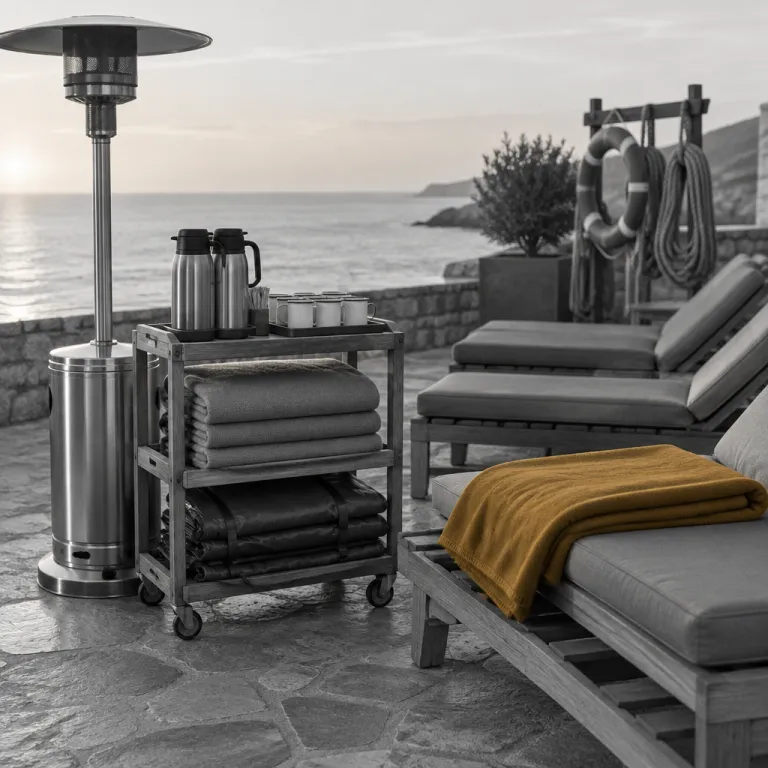
How to choose a winter sun beach hotel in a warm destination
When home turns grey and icy, a carefully chosen winter sun beach hotel becomes less indulgence and more lifeline. For a successful coastal escape in a genuinely warm destination, you need to balance climate reliability, flight time, and how close you want to sleep to the tide. Solo travelers planning winter travel or longer winter getaways should think first about how many daylight hours they want, then match that with specific holiday destinations rather than chasing vague sun holidays promises.
Start by listing the winter sun destinations that reliably stay above 24 °C, then filter for a beach resort or ocean facing hotel with direct access to the sand. The best winter strategy is to treat your booking like a project; compare resorts by sea temperature, wind exposure, and whether the pool is heated for cooler evenings. When you book, check if the resort spa, indoor lounges, and restaurants stay fully operational in the winter season, because even the best destinations can have the occasional rainy day.
For a winter holiday focused on calm rather than crowds, avoid peak festive periods when every beachfront hotel in a warm climate commands a premium. Look at the shoulder weeks before and after, when beach resorts still offer strong sun but rates soften and upgrades become realistic. This is also the best time to visit coastal resorts that attract repeat guests, because staff have more time to personalise your stay and help you explore quieter beaches or nearby islands.
Reliable winter warmth: Maldives, Thai islands, Caribbean, Oman, Canary Islands
Some winter sun destinations are simply more dependable than others, and that matters when you are flying far for warmth. The Maldives, the Thai island chains, much of the Caribbean, Oman’s coastline, and the Canary Islands form the core circuit for many winter beach hotel bookings in reliably warm destinations. These are the places where winter travel often means high blue skies, dry air, and a real chance to swim in the ocean every day.
In the Maldives, the best winter conditions usually align with the dry season, when overwater resort villas sit above glass clear lagoons and every beach resort feels purpose built for sun holidays. Data from the Maldives Meteorological Service shows average daytime temperatures of around 29 °C between December and March, with relatively low rainfall during these months. Thai islands such as Phuket and Koh Samui offer a different rhythm; you can combine a luxury resort spa stay with street food tours and longtail boat rides to smaller islands, while keeping an eye on local monsoon patterns that can shift shoulder season showers by a few weeks.
The Caribbean delivers some of the best winter conditions for North American travelers, with shorter flights and a wide range of inclusive holidays at beach resorts. In Barbados, for example, the west coast typically offers calmer seas than the Atlantic-facing east, which matters if daily swimming is a priority. Oman’s coast, especially around Muscat and the Al Wusta region, offers warm days, cool evenings, and a quieter alternative to the more crowded sun destinations further west. The Canary Islands sit closer to Europe yet behave like a subtropical archipelago, giving you a winter sun beach hotel experience with volcanic landscapes, Atlantic swells, and a long history of winter getaways; islands such as Tenerife and Gran Canaria tend to be slightly milder than Lanzarote and Fuerteventura, where trade winds can feel stronger.
Climate reliability versus value: when to book and when to gamble
Every winter sun coastal booking in a warm destination involves a trade off between guaranteed weather and the price you pay for it. The best winter periods for sunshine often coincide with the highest nightly rates, especially at oceanfront resorts with limited inventory and strong repeat business. If you are flexible on exact dates, you can use the seasonal resort pattern to your advantage and slide just outside the peak weeks.
From late December through early January, many coastal resorts in the Maldives, the Caribbean, and the Thai islands apply a steep premium, because demand for winter getaways far exceeds supply. Those same beach resorts may drop rates significantly in the weeks before and after, when the sun is still strong but families have returned home and long stay guests have not yet arrived. This is the moment when a careful booking can secure a top ocean facing room or suite that would be unaffordable during the absolute peak of the winter holiday period.
There is also a climate gamble to consider if you look at fringe months for your winter travel, such as early November or late March in some destinations. You might enjoy quieter beaches and better value at a luxury resort spa, but you accept a slightly higher chance of cloud or short showers. When you book, read historical climate data for your chosen holiday destinations and decide how much risk you are willing to take for a lower rate and a more relaxed atmosphere along the costa or island shoreline you prefer.
Long stay coastal escapes: multi week winter packages and repeat rituals
For many solo travelers, a winter sun beach hotel stay in a warm destination is no longer a one week escape but a month long reset. Coastal resorts from the Canary Islands to Oman and the Caribbean now design long stay packages that reward guests who book three or four weeks at a time. These extended winter getaways often include laundry, spa discounts, and flexible dining, turning a resort into a temporary home beside the ocean.
On Spain’s Costa del Sol, for example, several beach resorts and resort spa properties quietly market long stay offers to northern Europeans who migrate south each winter. The same pattern appears in Cape Verde, where island resorts combine steady trade winds, warm seas, and competitive rates for inclusive holidays that stretch beyond the usual sun holidays format. Articles such as Albania’s Riviera moment show how emerging coasts are learning from these models and attracting guests who return each winter.
The return factor is powerful; once travelers find a winter sun destination that feels right, they tend to repeat the same booking pattern year after year. Hotels respond by holding specific rooms for loyal guests, adjusting menus to long stay tastes, and creating small rituals such as weekly coastal walks or island tours. Over time, a single winter sun beach resort can become the anchor of your personal winter travel calendar, more familiar and comforting than any city break.
What to prioritise in a winter sun coastal hotel
When you refine a winter sun beach hotel booking in a warm destination, details matter more than glossy photos. Start with the basics; is the pool genuinely heated, are there wind protected terraces, and does the hotel offer indoor dining for the occasional cool evening. These elements decide whether your winter holiday feels effortlessly comfortable or quietly frustrating.
Look closely at room descriptions and maps to understand how close you will be to the beach and the ocean, not just whether you have a partial sea view. A true beach resort lets you walk from bed to sand in minutes, while some coastal hotels sit across a road or up a hill, which changes the daily rhythm of your sun holidays. If you plan to explore beyond the property, check transfer times from the nearest international airport and whether the hotel can arrange a private tour or small group excursion to nearby islands or coastal towns.
Solo travelers should also consider the social architecture of a resort spa or luxury hotel, especially on longer winter getaways. Properties with communal tables, hosted aperitif hours, or guided morning walks along the costa tend to feel more welcoming than isolated villas. For a sense of how this plays out in practice, look at oceanfront stays such as elegant villas on the Grand Strand, where proximity to the water and thoughtful shared spaces create an easy balance between privacy and connection.
Destination deep dive: from Costa Rica and Cape Verde to Mexico City stopovers
Beyond the classic islands, some winter sun destinations offer richer layers for travelers who like to move, taste, and learn. Costa Rica’s Pacific coast combines rainforest, surf beaches, and eco focused resorts, making it a strong candidate for any winter sun beach hotel search in a warm destination. You can spend mornings watching the sun rise over the ocean, then join a guided tour into the jungle before returning to a resort spa for a late evening swim.
Cape Verde, scattered off the West African coast, has become one of the best winter options for reliable sunshine, trade winds, and long sandy beaches. Its beach resorts lean toward inclusive holidays, but solo travelers can still find smaller luxury properties that arrange island hopping tours and cultural experiences. The islands’ position in the Atlantic also makes them a useful stepping stone for wider winter travel, linking European gateways with South American and Caribbean holiday destinations.
Mexico City is not a beach destination, yet it plays a strategic role in some winter travel itineraries focused on the Pacific and Caribbean coasts. Many travelers break their journey with a night or two in the capital, then continue to beach resorts in places such as Los Cabos, the Riviera Maya, or the quieter stretches beyond Puerto Vallarta. This combination of high altitude culture and low latitude ocean time can turn a simple winter holiday into a layered journey, where each booking choice supports a different side of your travel personality.
Key figures for winter sun coastal bookings
- According to the UN World Tourism Organization, international tourist arrivals to tropical and subtropical beach destinations increase by roughly 20 % between November and March compared with shoulder seasons, reflecting strong demand for winter sun escapes (UNWTO Tourism Highlights 2019).
- Climate data from the Maldives Meteorological Service shows average daytime temperatures of around 29 °C during the main winter months, with relatively low rainfall, making it one of the most reliable winter sun destinations worldwide (Maldives Meteorological Service climate normals 1991–2020).
- Tourism statistics from Spain indicate that the Canary Islands receive more than 12 million visitors annually, with a significant share arriving during the winter period for mild Atlantic conditions and year round beach access (Turespaña and Canary Islands Tourism 2022 reports).
- Research from Costa Rica’s tourism board highlights that over half of international visitors during the northern winter months choose coastal regions, underlining the importance of beach resorts and resort spa properties in the country’s tourism economy (ICT visitor profile studies 2018–2022).
FAQ about booking winter sun coastal hotels
When is the best time to book a winter sun beach hotel ?
For popular winter sun destinations, the booking sweet spot is usually six to nine months before travel, especially for stays between December and February. This window gives you access to the best oceanfront rooms before repeat guests lock them in. Last minute deals exist, but they rarely apply to the top coastal properties with limited inventory.
Which destinations offer the most reliable winter sun for beach holidays ?
Regions with strong winter sun reliability include the Maldives, many Thai islands, much of the Caribbean, Oman’s coastline, and the Canary Islands. These areas typically maintain warm air and sea temperatures during the northern winter months. Always check local climate data for your exact travel dates, because microclimates can vary even within the same country.
What should I prioritise in a winter sun coastal hotel ?
Focus on heated pools, wind protected outdoor spaces, and genuine proximity to the beach rather than just a partial sea view. Indoor dining options and a well equipped resort spa help on cooler evenings or rare rainy days. For longer stays, look for laundry facilities, flexible meal plans, and social spaces that make solo travel feel comfortable.
Are long stay winter packages at beach resorts worth it ?
Long stay packages can offer excellent value if you plan to spend three weeks or more in one destination. Hotels often reduce nightly rates, include extras such as spa credits, and provide more personalised service for extended guests. This approach works especially well in places like the Canary Islands, Costa Rica, and Cape Verde, where many travelers return each winter.
How do I balance climate reliability with budget for winter travel ?
Start by choosing destinations with historically stable winter weather, then look at dates just outside the absolute peak holiday weeks. You will often find lower rates while still enjoying strong sunshine and warm seas. If your budget is tight, consider emerging coasts or slightly longer transfers in exchange for better value at high quality resorts.