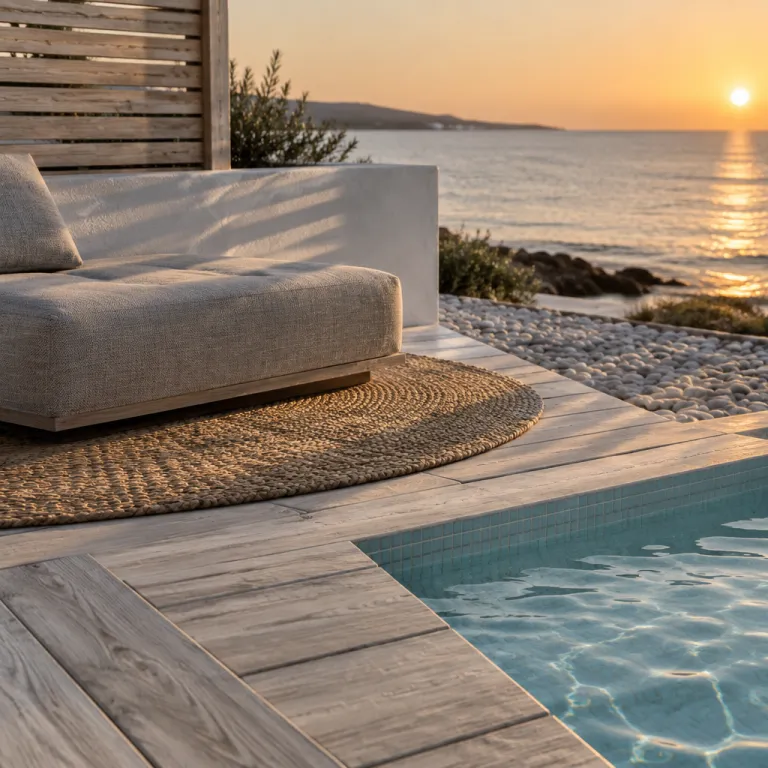
Coastal hotel nights as a second chapter of your stay
The most memorable coastal hotel nights turn the hours after dark into a second chapter of your stay, when the night sky, the sea and the shoreline feel transformed. Once the sun slips below the horizon and the first night stars appear, a quiet stretch of coast can become an open-air observatory where you read the sky with the naked eye and feel the rhythm of the tide as part of the experience.
On remote headlands in the north of Scotland, along the wild south coast of Oman or on a quiet island in New Zealand, thoughtful hotels now curate full noctourism programs. These coastal properties use naturally dark skies to offer a structured stargazing experience, from telescope sessions to events guided by visiting astronomers. In these locations, nights are not an afterthought but a defining feature of the stay, as central as any daytime swim or coastal hike.
Families booking premium beachfront hotels increasingly ask what happens after dark, not just how the pool looks at noon. They want to know about stargazing events, night walks and whether the hotel can offer family friendly programming that still feels refined. For them, the best places are those where the night sky, the sound of the tide and carefully designed light levels work together to create a calm, safe and quietly thrilling atmosphere that makes the whole night feel like a shared discovery.
Dark sky coastal locations and the art of stargazing
Along the world’s quieter coasts, a handful of hotels sit near certified dark sky reserves where light pollution is kept low by design. In these locations, the night sky feels almost three dimensional, with the Milky Way visible as pale, milky clouds stretching from north to south. When a hotel partners with a nearby national park or sky park, guests gain access to telescopes, red-light torches and stargazing events that feel both intimate and expertly run, with clear explanations of what they can see with the naked eye.
On the west coast of New Zealand’s South Island, for example, several small hotels work with the Aoraki Mackenzie International Dark Sky Reserve, established in 2012, to host events guided by astronomers who explain constellations and the science of dark skies. In northern Scotland, coastal properties near the North West Highlands Geopark promote winter as the best time to see night skies that sometimes flare with northern lights. These hotels understand that a well-designed stargazing experience can be as strong a draw as any daytime hike, especially when the sky is clear and the stars feel close enough to touch.
For families, the most successful programs are clearly family friendly without feeling childish, with early evening stargazing sessions timed before younger guests tire. Teenagers, especially, respond well to structured noctourism such as astrophotography workshops or guided night-sky walks, a point explored in depth in guides to coastal hotels where teenagers reconnect. When you evaluate hotels, look for clear information about light pollution controls, certified dark sky credentials and whether the property offers blankets, hot drinks and staff who can actually point out constellations rather than just hand you a telescope.
From sunset glow to full night: how the best hotels choreograph the evening
The most sophisticated beachfront hotels treat the transition from sunset to full dark as a carefully staged sequence. First comes the golden hour, when the sky softens and the sea reflects bands of light that shift from peach to deep blue. Then, as the last light fades, the hotel gradually lowers its own lighting so that the night sky can take over without guests ever feeling they have been plunged into darkness, creating ideal conditions for a relaxed stargazing experience.
In the Maldives, for instance, several high-end island hotels now align restaurant seatings and bar service with the best time for sunset and early stargazing. Guests are encouraged to take their aperitif on the sand, then move to dinner just after dark, before returning to loungers for a stargazing experience with a sommelier of the skies. Properties that excel at this rhythm often echo the principles outlined in refined sunset guides such as elegant ways to enjoy a sunset beach, but extend them deep into the night with thoughtful noctourism details.
Lighting design is crucial, because too much artificial light creates local light pollution that washes out the night stars and dulls the views of the Milky Way. The best places use shielded path lights, candlelit terraces and dimmed interiors so that guests can move safely while still reading the night sky with the naked eye. When you compare hotels, ask how they manage their outdoor lighting after dark and whether they coordinate any stargazing events around the moon phase, since a very bright moon can be both magical and slightly overpowering for faint stars.
Bioluminescent bays, moonlit water and nocturnal wildlife
Some coastal hotel nights go beyond the sky and into the sea itself. In bioluminescent bays in the Maldives, Puerto Rico or Tasmania, certain hotels arrange guided kayak outings where every paddle stroke leaves a trail of light in the dark water. On the calmest nights, guests can sometimes slip into the sea and watch their own movements ignite tiny sparks around their arms and legs, while the night sky above mirrors the glittering water below.
These experiences rely on low light pollution and careful timing, because the best time for bioluminescence is usually a moonless night when the sky is dark and the water surface is calm. Responsible hotels keep group sizes small, use red light torches and work with marine biologists to ensure that noctourism does not disturb sensitive ecosystems. On turtle nesting beaches in the south of Oman or along certain Caribbean coasts, for example, national park style rules often apply, with strict limits on white light and clear guidance on how close guests can approach.
Elsewhere, coastal hotels in mangrove-lined bays offer night boat trips to see fireflies, while reef-focused properties in the north of Queensland schedule after-dark snorkelling to watch corals fluoresce. Families usually find these events guided by naturalists to be some of the most memorable parts of their trip, especially when combined with a short stargazing session back on shore. When you read hotel descriptions, look for specific references to nocturnal wildlife, certified dark sky practices and whether the property works with any international dark sky or conservation organisations.
Designing family friendly nights: from cinema under the stars to sky parks
For premium families, the question is not whether a hotel has a kids’ club, but whether evenings feel as thoughtfully designed as the daytime. The strongest coastal night programs balance quiet romance for parents with family friendly activities that respect children’s curiosity. That might mean early stargazing events on a rooftop terrace, followed by an outdoor cinema under the stars with wireless headphones so younger guests can drift off without disturbing others.
On certain Mediterranean island coasts, hotels now create temporary sky park style zones on their roofs or lawns, with telescopes, beanbags and low-level red light to protect night vision. Staff trained in basic astronomy lead short events guided by simple explanations of the night sky, pointing out how to find the North Star or trace the arc of the Milky Way as faint, milky streaks. Parents can then stay on for a more in-depth stargazing experience while children move to supervised night games or storytelling circles around a carefully managed beach bonfire.
In northern latitudes where northern lights sometimes appear, such as Iceland or Norway, coastal hotels often provide wake-up calls when the night skies become active. Families who want to maximise their chances should visit in the darker months, when the best time for aurora coincides with long nights and very dark skies. When assessing hotels, look for details about flexible meal times, sheltered viewing spots and whether the property offers warm gear, hot chocolate and clear explanations of what children can realistically expect to see with the naked eye.
How to choose the right coastal hotel for night focused stays
Selecting the best places for a night-focused coastal stay starts with geography. Remote island hotels, headland properties far from big towns and resorts near national park coastlines usually enjoy clearer skies and lower light pollution. In contrast, hotels close to large marinas or urban boardwalks may have vibrant nightlife but rarely offer a truly dark sky or a strong stargazing experience, because the glow from nearby towns can wash out the stars.
When you research, look for explicit mentions of certified dark sky status, partnerships with international dark sky organisations or proximity to a recognised sky park. Properties that take noctourism seriously often publish stargazing calendars, list their regular stargazing events and explain which parts of the hotel grounds are kept deliberately dark after dark. Some of the most committed hotels even provide star charts in rooms, red light torches and guidance on the best time of night to see specific constellations or the faint, milky band of the Milky Way.
Logistics matter as well, especially for families travelling with children and gear. Remote coastal hotels that require seaplanes or boat transfers can feel magical, but you should understand the full journey, a topic explored in depth in guides to the art of arriving at a private island hotel. Before you book, ask direct questions about how the hotel manages outdoor lighting, whether any parts of the grounds are reserved as dark skies zones, and how often events guided by astronomers or naturalists actually run outside peak holiday periods.
Key figures on coastal noctourism and night sky travel
- According to the International Dark-Sky Association, more than 80% of the world’s population now lives under skies affected by significant light pollution, which makes remote coastal hotels in certified dark sky locations increasingly valuable for travellers seeking clear night skies.
- Research published in the journal Science in 2017 by Kyba et al. showed that artificial light at night is increasing globally by around 2% per year in both brightness and extent, reinforcing the importance of hotels that actively protect dark skies through shielded lighting and reduced after-dark illumination.
- Tourism boards in destinations such as New Zealand and Scotland report steady growth in astro tourism and noctourism, with some regions attributing up to 20% of their shoulder season bookings to travellers seeking a dedicated stargazing experience along dark sky coastlines.
- Studies from coastal conservation organisations indicate that reducing beachfront lighting by even 50% during turtle nesting season can significantly improve hatchling survival rates, highlighting how night-friendly hotel practices can directly support marine wildlife.
- Surveys by luxury travel agencies in the United States show that families are increasingly prioritising experiential stays, with a notable rise in demand for family friendly night activities such as stargazing events, outdoor cinema and guided nocturnal wildlife walks at beachfront hotels.
FAQ
Which coastal regions offer the clearest night skies for stargazing?
The clearest night skies for coastal stargazing are usually found in remote regions with low humidity and minimal light pollution, such as parts of Oman’s south coast, the Scottish Highlands, New Zealand’s South Island and certain outer islands in the Maldives. These locations often sit near national park areas or certified dark sky reserves, which actively protect dark skies through strict lighting controls. When planning, look for hotels that mention proximity to an International Dark Sky Reserve or similar designation.
How can I tell if a beachfront hotel is serious about dark sky protection?
A beachfront hotel that takes dark sky protection seriously will usually describe its lighting strategy in some detail, mentioning shielded fixtures, warm colour temperatures and reduced after-dark illumination. Many of the best places also reference partnerships with international dark sky organisations or nearby sky park and national park authorities. If this information is missing, it is worth emailing the hotel directly to ask how they manage light pollution and whether they offer regular stargazing events.
Is stargazing at coastal hotels suitable for young children?
Stargazing at coastal hotels can be very family friendly when sessions are timed early in the evening and kept short. Properties that specialise in night-sky experiences often offer child-focused explanations, blankets and hot drinks, plus the option to leave early without disrupting others. For younger children, look for hotels that combine simple stargazing with outdoor cinema, storytelling or gentle night walks rather than long technical talks.
What is the best time of year to book a night focused coastal stay?
The best time of year depends on your priorities, because darker months bring longer nights and better stargazing, while shoulder seasons can offer clearer skies with fewer crowds. In northern regions, autumn and winter usually provide the darkest skies and the highest chance of seeing northern lights, though weather can be less predictable. In tropical or southern hemisphere locations, dry seasons often deliver the clearest night skies, so check local climate data as well as moon phases before you book.
Do I need special equipment to enjoy stargazing at a beachfront hotel?
You do not need special equipment to enjoy basic stargazing, because many stars and the Milky Way are visible to the naked eye in dark skies. However, binoculars can enhance the experience, and some hotels provide telescopes, star charts and red light torches as part of their noctourism programs. If you are serious about astrophotography, consider bringing a tripod and a camera with manual settings, but always check the hotel’s policies on late-night terrace or rooftop access.