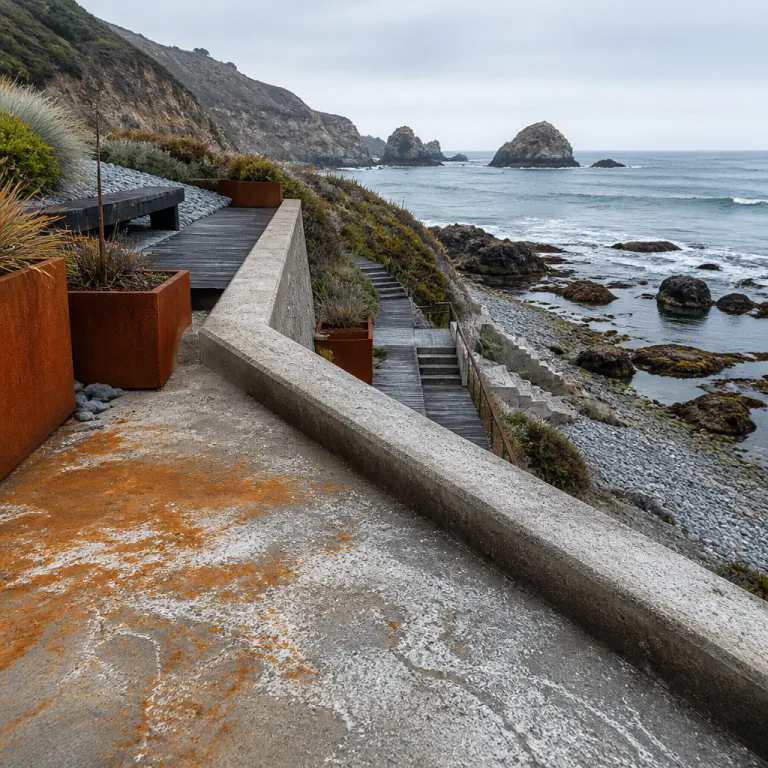
Big Sur coastal highlights for luxury beachfront stays
Big Sur along the central coast of California feels purpose built for a refined beach escape. This stretch of California coastline combines wild cliffs, one luminous beach after another, and discreet high end retreats that frame the ocean like a private stage. For travelers using a luxury and premium booking website for beachfront hotels, the core question is not only what to see in Big Sur, but how to align each stop with the right level of comfort and service.
Highway 1, the legendary coastal road, is the spine of any road trip here and the setting for some of the most memorable experiences. The Big Sur Chamber of Commerce notes that exploring Big Sur's natural attractions is about visiting scenic landmarks, experiencing local culture, and enjoying outdoor activities, which perfectly matches the expectations of discerning guests. When you plan what to see in Big Sur, think in terms of curated segments of the road, pairing each dramatic point above the sea with a beachfront hotel that offers direct access to the shore or elevated ocean views.
Many travelers arrive from San Francisco, driving the coastal road south and stopping first in Carmel by the Sea before continuing toward Big Sur. This route lets you ease into the landscape, moving from the sheltered Carmel beachfront to the more rugged Big Sur river estuaries and cliffs further south. If you are booking a premium beach hotel, consider splitting your trip between Carmel by the Sea, where the beach is gentle and walkable, and Big Sur, where the ocean feels immense and the views from your terrace become part of the experience.
From San Francisco to Carmel and Big Sur: structuring the coastal road trip
Starting your journey in San Francisco gives you a clear narrative arc for the entire trip. You leave a major city with its vertical skyline and drive toward a coastline where every beach and state park feels more remote, more elemental, and more suited to slow luxury. For guests browsing a premium booking platform, this San Francisco to Big Sur road trip can be divided into three elegant chapters that help you decide where to reserve each beachfront hotel.
The first chapter runs from San Francisco to Carmel by the Sea, where the Carmel sea frontage offers soft sand, calm waves, and easy access to refined dining. Here you can choose a beachfront property that focuses on service and gastronomy, then use the car as a base for day trips to nearby state reserves and the celebrated Point Lobos State Natural Reserve. This area around Point Lobos and the adjacent protected parklands is ideal for gentle hiking trails, sea facing picnics, and photography sessions that capture the best things about a coastal holiday without long drives every day.
The second chapter takes you from Carmel by the Sea into the heart of Big Sur along Highway 1, where the road clings to cliffs and every curve reveals new views of the ocean. This is where you cross the iconic Bixby Creek Bridge, one of the major engineering landmarks of Highway 1 and a highlight on any list of places travelers want to photograph. For readers interested in how global luxury brands are reimagining coastal destinations, the way high end properties are spaced along this corridor mirrors the strategic expansion seen on other shores, as explored in this analysis of luxury hotel groups on the Balkan coast at why luxury hotel groups are converging on emerging coastal destinations.
Signature viewpoints and coastal parks: what to see between cliffs and sea
Once you reach the central stretch of Big Sur, the focus shifts from the drive itself to the individual points, coves, and state park landscapes that define the region. The question of what to see in Big Sur becomes a matter of sequencing, because each stop offers a different angle on the ocean and a different mood for your stay. Luxury beachfront hotels here often sit just above the cliffs, so you can move from a private terrace to a nearby trail or beach within minutes.
Point Lobos to the north remains one of the best things to include on any itinerary, with its network of hiking trails that loop around headlands and drop toward the sea. The protected coves within Point Lobos and the wider reserve area are known for clear water, sea lions, and views that feel almost cinematic at the right time of day. Many guests choose to stay in Carmel by the Sea or Big Sur and visit major attractions like Point Lobos State Natural Reserve as half day excursions, returning to their beachfront hotel for spa treatments and sunset drinks.
Further south, the coastline around Pfeiffer Beach and the nearby Pfeiffer Big Sur State Park offers a different character, with purple tinged sand, rock arches, and the Big Sur River winding inland through redwood groves. These areas within the Julia Pfeiffer Burns and Pfeiffer Big Sur corridor, sometimes referred to collectively as the Burns State parklands, provide a balance between forest and beach that is rare along the California coast. When selecting a coastal escape, it can help to use a guide such as this pre summer guide to choosing the right coastal escape, then apply the same criteria to Big Sur’s mix of ocean facing and river adjacent properties.
McWay Falls, Julia Pfeiffer Burns, and the art of timing your visit
For many travelers, the image that defines Big Sur is McWay Falls dropping directly onto a small cove, framed by turquoise water and steep cliffs. This waterfall sits within Julia Pfeiffer Burns State Park, one of the most photographed stretches of the California coast and a central answer to the question of what to see in Big Sur on a first trip. The short trail to the overlook is accessible, which makes it easy to combine with a relaxed day at a nearby beachfront hotel.
Julia Pfeiffer Burns State Park is more than a single viewpoint, though, and its network of hiking trails offers varied perspectives on the ocean and surrounding hills. Some paths lead through forested sections of the Julia Pfeiffer Burns landscape, while others open suddenly onto big views of the sea and the rugged shoreline. Because this is a state park with limited parking, the best time to visit major landmarks like McWay Falls is early morning or late afternoon, when the light is soft and the crowds are thinner.
Luxury travelers often plan their road trip around these timing considerations, booking beachfront hotels that minimize driving time to key sites such as McWay Falls, Pfeiffer Beach, and Bixby Creek Bridge. When you evaluate rates on a premium booking website, it helps to understand what your nightly rate actually buys in terms of proximity to the places Big Sur is famous for, a topic explored in depth at what the rate actually buys you at a peak season seaside hotel. Aligning your check in and check out dates with your planned visits to Julia Pfeiffer Burns State Park and other state park sites ensures that every sunrise and sunset can be spent either on the beach or at a carefully chosen viewpoint.
Choosing the right beachfront hotel: matching coastline, comfort, and activities
Not all stretches of the Big Sur coastline offer the same style of beach access, so your choice of hotel should reflect how you like to experience the sea. Some properties sit directly above a sheltered beach, while others perch on cliffs with panoramic views of the ocean and the Big Sur River valleys behind. When you browse a luxury and premium booking website for beachfront hotels, filter not only by star rating but also by proximity to specific state park entrances and trailheads.
Guests who prioritize easy swimming and soft sand often prefer areas closer to Carmel by the Sea and the Carmel shoreline, where the beach is broad and the waves are usually gentler. Those who want dramatic scenery and direct access to hiking trails may choose properties near Pfeiffer Beach, Pfeiffer Big Sur State Park, or the Julia Pfeiffer Burns section of the coast. In each case, the best things to consider include driving time along Highway 1, likely traffic on the coastal road, and how quickly you can reach landmarks such as Bixby Creek Bridge, McWay Falls, and Point Lobos State Natural Reserve.
Another factor is how you plan to structure your days, especially if you are combining work and leisure on a longer road trip through California. Some beachfront hotels in Big Sur emphasize wellness, with spa programs timed around sunrise yoga and sunset walks along the beach, while others focus on gastronomy and curated excursions into nearby state park areas. For travelers asking what to see in Big Sur while still enjoying a high level of comfort, the ideal property will offer both immediate access to the sea and concierge support for arranging guided hikes, private photography sessions at key points, and transfers to and from San Francisco or other regional airports.
Practical planning: safety, seasons, and eco conscious luxury in Big Sur
Planning a refined stay in Big Sur means balancing spontaneity with a clear understanding of local conditions. Highway 1 is a spectacular road, but it is also vulnerable to landslides, so checking road conditions before your trip is essential for a smooth journey between each beach and state park. Because this region attracts several million visitors annually according to recent tourism data from Monterey County and California state agencies, booking beachfront hotels and key activities well in advance is wise, especially during peak seasons.
Spring and autumn are widely regarded as the best time to visit Big Sur, with mild temperatures, clearer views, and fewer crowds on the hiking trails. These shoulder seasons are ideal for long walks along the Big Sur River corridors, extended photography sessions at Bixby Creek Bridge, and unhurried visits to Pfeiffer Beach, McWay Falls, and Point Lobos. While Highway 1 is generally open year round, official guidance recommends confirming any closures related to storm damage or ongoing recovery work before finalizing your road trip schedule.
Responsible luxury is increasingly central to how travelers engage with Big Sur, especially in sensitive areas such as Julia Pfeiffer Burns State Park and the wider Pfeiffer Burns ecosystem. High end beachfront hotels now emphasize eco tourism practices, from minimizing light pollution over the ocean to supporting state park services and local conservation initiatives. As you refine your list of Big Sur highlights, consider choosing properties and tour partners that respect wildlife, limit group sizes on trails, and use digital travel guides and mobile apps to reduce printed materials while still providing rich, context driven information about this remarkable stretch of the California coastline.
Key figures for planning a luxury Big Sur coastal stay
- Big Sur and the surrounding Monterey County coastline welcome several million visitors each year, a volume that underscores the need to reserve beachfront hotels and key activities several months ahead during popular seasons (sources include California state tourism and Monterey County visitor statistics).
- Highway 1 through Big Sur covers roughly 140 kilometres between Carmel by the Sea and San Simeon, which makes it realistic to base yourself in one or two coastal locations and still reach major state park sites within a day.
- Spring and autumn are identified by regional tourism offices as offering the most balanced conditions, with milder temperatures and fewer crowds compared with peak summer, which directly affects the quality of views and trail experiences.
- State parks such as Pfeiffer Big Sur State Park, Julia Pfeiffer Burns State Park, and Point Lobos State Natural Reserve collectively protect thousands of hectares of coastline and forest, ensuring that luxury development remains limited and the landscape retains its wild character.
FAQ about luxury beachfront stays and what to see in Big Sur
What is the best time to visit Big Sur for a luxury beach stay ?
Spring and fall offer mild weather and fewer crowds, which makes them ideal for combining beachfront hotel stays with visits to Pfeiffer Beach, McWay Falls, and Point Lobos. During these seasons, the light is softer, the ocean views are clearer, and Highway 1 traffic is generally lighter. This timing also improves availability and rate flexibility on premium booking platforms.
Are there beachfront accommodations in Big Sur and nearby areas ?
Yes, the region between Carmel by the Sea and Big Sur offers a range of accommodations from campsites to luxury resorts, including several properties with direct or near direct beach access. In Carmel by the Sea, many high end hotels sit within a short walk of the shoreline, while in Big Sur some resorts perch above the cliffs with sweeping ocean views. Using a specialized luxury and premium booking website for beachfront hotels helps you filter by proximity to the beach, spa facilities, and access to nearby state park trails.
Is Highway 1 through Big Sur open all year for a road trip ?
Highway 1 is generally open year round, but sections can close temporarily due to landslides, storm damage, or maintenance work. Before starting your road trip from San Francisco or Los Angeles, check official transportation updates and local tourism channels for the latest information. This is especially important if you plan to visit major landmarks such as Bixby Creek Bridge, Julia Pfeiffer Burns State Park, or Pfeiffer Big Sur State Park on specific days.
How many days should I plan for Big Sur if I want to see the main sights ?
A minimum of two to three nights is recommended if you want to experience the best things in Big Sur at a relaxed pace. This allows time for a scenic drive along Highway 1, visits to McWay Falls, Pfeiffer Beach, and Point Lobos, plus at least one full day enjoying your beachfront hotel. Travelers with more time can extend the trip to include additional hiking trails, wine tasting in nearby regions, or a longer stay in Carmel by the Sea.
Are guided tours necessary, or can I explore Big Sur independently ?
You can comfortably explore Big Sur independently by car, using maps, mobile apps, and information from the Big Sur Chamber of Commerce. Guided tours, however, can add depth, especially for wildlife watching, photography, or learning about local history and conservation in state park areas. Many luxury beachfront hotels can arrange private guides or small group excursions tailored to your interests and fitness level.