Why coastal hotel climate adaptation rising sea level design now shapes your oceanfront stay
Luxury travelers booking on the edge of the coast increasingly ask how coastal hotel climate adaptation rising sea level design will protect both their experience and the shoreline. High end properties on the sea now treat climate adaptation as core infrastructure, not a marketing flourish, because the combination of climate change, sea level pressure and insurance scrutiny is rewriting what “prime coastal real estate” means. When you choose a room where the water is almost under your terrace, you are also choosing a set of adaptation strategies, adaptation measures and long term adaptation efforts that will either age gracefully over years or struggle under future storms.
Architects working in the coastal zone now design elevated structures that anticipate several slr scenarios rather than a single historic tide figure. Instead of one monolithic block, many coastal hotels use moveable pavilions and modular wings that can be shifted inland if the local sea level rise slr projections or slr impacts accelerate faster than expected. For guests, that can mean stilted suites that hover three or four metres above the sand, with uninterrupted sea views and the soft percussion of waves below, while hidden foundations and coastal adaptation engineering quietly manage the effects climate change adaptation requires.
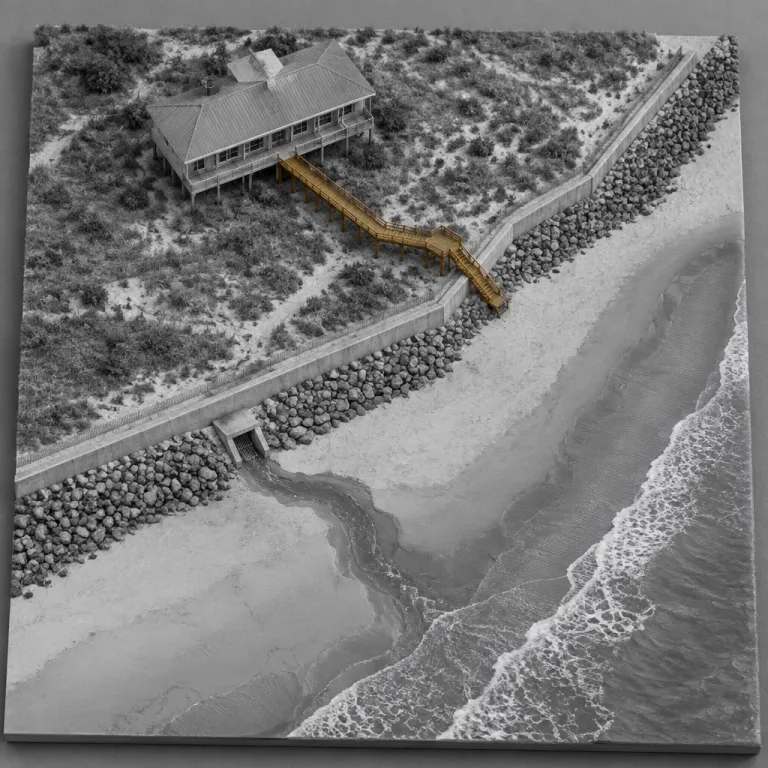
On the most exposed coast stretches, the smartest properties pair hard engineering with living shoreline systems that feel almost invisible from a sun lounger. You will see dune ridges, mangrove belts and oyster reefs that look like natural scenery but are in fact carefully modelled adaptation strategies designed to break wave energy and slow water before it reaches the rooms. These coastal communities of plants and marine life also help absorb greenhouse gas through restored wetlands, so the impacts climate change and gas emissions bring to regional sea levels are addressed both in defence and in partial repair.
Elevated architecture, setback rules and the new language of the shore
For an executive stretching a business trip into a long coastal weekend, the most coveted suites now sit not just closest to the sea but also on the best engineered platforms. Elevated architecture is the quiet hero of coastal hotel climate adaptation rising sea level design, lifting rooms above projected level rise while preserving that essential sense of sleeping almost over the water. When you compare destinations such as French Polynesia and the Indian Ocean, as in this refined guide to Bora Bora versus the Maldives for luxury beachfront resorts, you start to see how different coastal communities interpret the same climate adaptation challenge.
Setback requirements now push new construction further from the active coast line, which can initially feel like a loss of intimacy with the sea. In practice, a well judged setback combined with raised walkways and overwater decks often delivers better views, because the first row of vegetation and dunes filters noise while the architecture frames the horizon at a more generous angle. Many coastal adaptation projects use digital models of slr scenarios and impacts slr to decide exactly how many metres inland the first habitable floor should sit, so the property will remain viable for decades rather than just a few years.
Guests rarely see the spreadsheets behind these decisions, but they feel the results in calmer stays and fewer storm related disruptions to activities. A resort that has invested in robust adaptation measures, from reinforced foundations to flexible utilities that can be disconnected and raised during extreme water events, tends to reopen faster after coastal storms. When you read a hotel’s sustainability page, look for explicit references to climate change, sea level projections, adaptation strategies and local policies, because those signals often separate future ready properties from those still hoping the coast will behave as it always has.
Living shorelines, regenerative design and the quiet luxury of resilience
The most forward looking coastal hotel climate adaptation rising sea level design does not only defend against the sea ; it repairs the coast that drew you there in the first place. Regenerative design treats every metre of coastal zone as both habitat and amenity, so dune systems, seagrass meadows and mangrove gardens become part of the guest experience rather than a fenced off conservation project. This is where the philosophy of quiet luxury, explored in depth in our guide to seaside hotels where restraint is the real indulgence, aligns perfectly with climate adaptation and long term coastal resilience.
Instead of concrete sea walls that reflect wave energy and accelerate beach loss, many high end resorts now build wide dune fields anchored by native vegetation that flex with level rise and storm surges. These living barriers reduce slr impacts on infrastructure while creating sheltered pockets for low impact activities such as sunrise yoga decks, boardwalks and birdwatching hides. In some coastal communities, hotels partner with marine biologists to restore oyster reefs and coral gardens that both soften wave force and lock away a fraction of the greenhouse gas driving climate change and the gradual rise slr in regional sea levels.
For guests, the effects climate change adaptation brings to the landscape can feel like an upgrade rather than a compromise when handled with design intelligence. You might walk from your suite through a belt of coastal vegetation alive with pollinators before reaching a beach that feels wilder yet more stable than heavily engineered shores. Properties that publish their adaptation efforts, from slr scenarios modelling to specific adaptation measures in the coastal zone, signal that they are planning for the future of your return visits rather than only this season’s occupancy figures.
Managed retreat, insurance pressure and what hotels will tell you
One of the most sensitive questions in coastal hotel climate adaptation rising sea level design is whether to hold the line or step back. Managed retreat means relocating villas, restaurants or entire wings further inland as sea level and storm risks increase, while engineered defences attempt to keep the water out with walls, revetments and raised platforms. For travelers, the choice between a property that has already moved key structures and one still clinging to the immediate coast can shape both safety and long term value.
Insurance markets now exert as much influence on coastal adaptation as environmental policies, because rising premiums punish properties that ignore impacts climate science has already quantified. Underwriters scrutinise slr scenarios, local sea level records, gas emissions trends and the quality of adaptation strategies before offering coverage, which in turn pushes owners toward elevated designs, redundant power systems and more generous setbacks. When a hotel mentions that it exceeds local building codes for the coastal zone, that often reflects hard lessons from previous years of storm losses and a desire to reduce future slr impacts on both operations and guests.
Transparency remains uneven, and this is where discerning travelers can quietly raise the bar. Ask whether the property has conducted a formal climate adaptation assessment, how it manages water during extreme tides and what adaptation measures are planned for the next decade. A serious coastal hotel will usually share at least a high level view of its change adaptation roadmap, including how it works with coastal communities on evacuation routes, how it protects staff housing from level rise and how its adaptation efforts align with regional climate change policies.
New coastal destinations, data driven design and how to read a shoreline
Emerging coastal destinations such as parts of Albania, Chile and Saudi Arabia have a paradoxical advantage in the era of climate change and sea level uncertainty. Because many of their luxury projects are greenfield developments, architects can embed coastal hotel climate adaptation rising sea level design from the first sketch rather than retrofitting ageing structures. That means every decision, from the height of the lowest suite to the alignment of pools and paths, can be tested against impacts slr projections and local slr scenarios before a single pile is driven into the coast.
For business leisure travelers, this new generation of properties often feels uncannily composed, with circulation routes that stay dry even when seasonal water levels spike and activities zones that remain usable under a range of weather conditions. Developers work with coastal scientists to model how the coastal zone will evolve over several decades, then translate those figures into adaptation measures such as sacrificial dunes, elevated service corridors and flexible pavilions that can be relocated as level rise accelerates. When you browse a destination guide, such as our curated take on serene Caribbean beaches in Curaçao for luxury travelers, pay attention to how often sea levels, coastal adaptation and long term resilience appear alongside spa menus and restaurant lists.
Reading a shoreline is becoming as essential as reading a wine list for high end coastal travel. Look for wide, vegetated buffers between rooms and the active coast, elevated walkways that keep you above flood prone ground and visible signs of change adaptation such as rain gardens, permeable paths and restored wetlands. Properties that talk openly about climate change, greenhouse gas reductions, adaptation strategies and collaboration with coastal communities are signalling that they intend to be part of this landscape for many years, not just until the next major storm redraws the water’s edge.
FAQ
How can I tell if a coastal hotel is planning for sea level rise ?
Look for clear information on the hotel’s website about climate change, sea level projections and specific adaptation measures on the property. Signs such as elevated buildings, wide dune systems, restored vegetation and visible drainage infrastructure usually indicate serious coastal adaptation planning. You can also email the hotel to ask whether it has conducted a climate adaptation assessment and how often it updates its adaptation strategies.
Does elevated architecture reduce the feeling of being close to the water ?
Well designed elevated structures often enhance the sense of connection to the sea rather than diminishing it. By lifting rooms several metres above the beach, architects can frame wider horizons while keeping guests safely above projected level rise and storm surge. The key is thoughtful placement, with decks, stairs and boardwalks that maintain easy access to the coast and its activities.
Are sea walls a good sign of resilience when booking a beachfront hotel ?
Sea walls can protect specific structures in the short term, but they may accelerate erosion on the adjacent coast and reduce beach width over time. Many experts now favour hybrid solutions that combine limited hard engineering with living shorelines such as dunes, mangroves and reefs. When evaluating a property, consider whether its defences support both long term beach health and guest safety.
Should hotels disclose their climate risk and adaptation plans to guests ?
Transparency about climate risks, slr scenarios and adaptation efforts helps guests make informed choices and builds trust. Many leading properties now publish sustainability reports that include coastal zone assessments, adaptation strategies and collaboration with local communities. As a traveler, you can encourage this practice by asking for such information and favouring hotels that share it openly.
Will climate adaptation measures change the look and feel of my favourite beach resort ?
Adaptation measures inevitably shape the design of coastal hotels, but they do not have to diminish the guest experience. In many cases, added dunes, vegetation belts and elevated walkways create a more atmospheric, layered landscape that feels closer to nature. Resorts that integrate climate adaptation into their design philosophy often deliver more tranquil, resilient stays that age better over the years.
Sources
Intergovernmental Panel on Climate Change (IPCC)
National Oceanic and Atmospheric Administration (NOAA)
United Nations Environment Programme (UNEP)