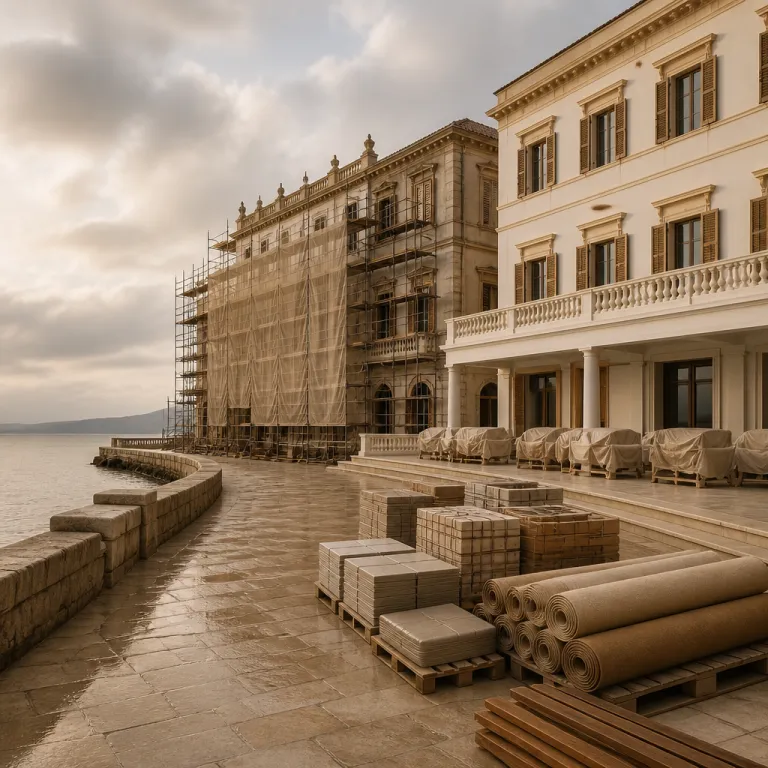
How luxury seaside hotel renovation design heritage 2026 reshapes what you book
When a grand seaside hotel closes its shutters, the silence feels absolute. The reopening shows how luxury seaside hotel renovation design heritage 2026 thinking has shifted, and what coastal travelers now expect from their stays. For guests choosing between luxury hotels on a crowded shoreline, the second life of a property quietly signals whether you will fall asleep to the tide or to an air conditioning unit.
The recent transformation of the Grand Hotel at GrandWest in Cape Town illustrates this shift with unusual clarity. Led by David Muirhead & Associates and dhk Interior Design, the hotel renovation balanced historical architecture with contemporary comfort, using sustainable materials and local craftsmanship to protect the building’s heritage while upgrading every layer of guest experience. The project added 68 new rooms to reach 103 guest rooms in total, proving that hotel renovations can increase capacity without sacrificing the intimacy that defines a true luxury hotel by the sea.
The main goal of the Grand Hotel's renovation was to modernize facilities while preserving historical elements. That single sentence could describe almost every serious luxury seaside hotel renovation design heritage 2026 project, from a seasons resort on lake como to a white elephant on palm beach or a reimagined ritz carlton on miami beach. Yet the way each hotel will interpret that balance in its rooms, suites, spa and public spaces is what separates a generic resort from a property that feels genuinely set on its stretch of beach.
From grand lobby to shoreline light: what gets preserved, what gets replaced
Walk into a reopened coastal hotel and your first impression rarely comes from the rooms suites but from the lobby light. In the era of luxury seaside hotel renovation design heritage 2026, designers are stripping back heavy drapery, opening façades and carving new sightlines so that public spaces frame the beach, the island horizon or the red sea rather than the reception desk. Acoustic zoning and sound absorbing architecture now matter as much as marble, because guests want to hear waves, not luggage wheels.
The Grand Hotel at GrandWest shows how this plays out in practice, with dhk Interior Design using 3D modeling and historical archives to retain original stonework while reconfiguring circulation for smoother arrivals. This is the same design logic you now see in coastal hotel openings from a seasons hotel on lake como to a reworked white elephant on palm beach, where heritage façades stay intact but interiors are designed as flexible, light filled spaces for business leisure travelers. When you browse a premium beachfront booking platform, the best luxury hotels highlight these reimagined public spaces in their image credit captions, because the lobby has become a manifesto for the entire property.
For travelers comparing a miami beach luxury hotel with a quieter seasons resort on an island, the question is no longer just about the number of suites or the size of the spa. It is about whether the hotel renovation has respected structural memory while creating new wellness zones, quiet corners for laptop work and dining terraces that actually catch the sea breeze. If a hotel will not show you these transitions clearly online, you should treat that as a design red flag and instead focus on curated platforms that explain the renovation story in depth and link to the best luxury beachfront hotel websites for an unforgettable escape.
Inside the rooms: where heritage meets smart coastal comfort
Guest rooms are where the philosophy of luxury seaside hotel renovation design heritage 2026 becomes personal. You notice it when you slide open a balcony door and the salt air reaches the bed, or when the lighting is soft enough that the horizon remains the main event. The best hotel renovations now treat each room as a calibrated listening post for the sea rather than a generic white box with a distant blue line.
At the Grand Hotel at GrandWest, David Muirhead & Associates and dhk Interior Design reworked layouts to add 68 new rooms while still keeping proportions generous and circulation intuitive. Materials reference the building’s heritage without feeling museum like, and technology is integrated quietly so that smart controls support sleep, privacy and wellness rather than dominating the space. This same approach defines the most interesting luxury hotels on lake como, palm beach and miami beach, where guest rooms and suites are designed to feel like private coastal apartments rather than standard resort inventory.
For business leisure travelers extending a work trip, the difference between rooms suites in a thoughtful luxury hotel and those in a purely commercial resort is immediate. You want a desk that faces the water, acoustic treatment that softens corridor noise and a bathroom where spa grade fixtures turn a quick shower into a wellness ritual. When you compare properties on curated guides such as this elegant overview of luxury hotels in Provence, an elegant guide to premium stays in France on seaside stay, pay attention to how each property describes its guest rooms, because the language around light, sound and materials often reveals more than the square meter count.
Spas, wellness and the new quiet luxury by the sea
The spa has become the testing ground for luxury seaside hotel renovation design heritage 2026, especially in beachfront hotels where wellness is expected to feel elemental. Designers now talk about restorative luxury, where acoustic zoning, cocooned treatment rooms and biophilic elements matter as much as the product menu. In practice, that means you should feel the presence of the beach and the wider landscape even when you are lying in a darkened room.
Recent spa design research shows that leading resorts are investing heavily in sound absorbing architecture and mechanical noise reduction to create genuinely quiet wellness spaces. This is visible in new seasons resort projects on lake como, in red sea coastal developments and in urban seaside properties like senses london, where spa circuits are designed to buffer city noise while still referencing maritime light and materials. When a hotel renovation includes a full spa and wellness overhaul, you will often see this highlighted in booking descriptions, because it signals that the property is competing at the top tier of luxury hotels rather than simply adding a few treatment rooms.
At the Grand Hotel at GrandWest, the integration of modern amenities into a historic shell shows how a coastal inspired spa can coexist with heritage architecture. The methods used there, from sustainable materials to collaboration with local artisans, mirror what you now find in serious hotel renovations from palm beach to miami beach and along lake como. If a hotel will invest in this level of wellness infrastructure, it usually also pays attention to quieter details such as circulation routes from guest rooms to the spa, private relaxation terraces and dining options that support a lighter, sea focused way of eating, which you can later cross check against in depth destination guides such as this premium beachfront stays overview for Bradenton vacation rentals in Florida.
Dining, terraces and the choreography of coastal public spaces
On a well renovated shoreline property, the most coveted tables are not always in the signature restaurant. They are often the corner seats on a wind protected terrace, where the sound of the surf competes gently with glassware and low conversation. Luxury seaside hotel renovation design heritage 2026 thinking treats these dining zones as part of a continuous coastal promenade rather than isolated outlets.
Look at how Gran Hotel Margalida in Banyalbufar, restored by ANNUA Signature Hotels, uses terraces planted with indigenous wild olive to create layered outdoor dining and lounge spaces that step down towards the sea. Interior designer Virginia Nieto and architect Alvaro Onieva honoured the property’s heritage while introducing a contemporary Mediterranean identity, aligning the project with the same design values seen in the Grand Hotel at GrandWest and in carefully edited hotel openings across lake como, palm beach and miami beach. In each case, public spaces are designed so that guests can move seamlessly from breakfast to laptop work to sunset drinks without ever losing contact with the beach or the wider coastal landscape.
For travelers, the practical question is how to read these choices from a distance when browsing luxury hotels online. Pay attention to terrace orientation, shade structures, the relationship between pools and the natural shoreline and whether private cabanas feel integrated or simply dropped onto a deck. When a seasons hotel, a ritz carlton or a white elephant style property highlights its dining terraces and coastal public spaces with thoughtful image credit notes and clear descriptions, you can usually trust that the hotel will deliver a coherent seaside experience rather than a generic resort layout.
How booking platforms translate design philosophy into real choices
For business leisure travelers, the most valuable booking websites now act less like catalogues and more like editors of coastal design. They translate the language of luxury seaside hotel renovation design heritage 2026 into filters, photography and copy that help you understand how a property actually feels at the water’s edge. The mission of seaside stay is exactly this, positioning itself as the definitive guide to luxury world hotel experiences with a focus on genuine shoreline proximity.
On a well curated platform, you will notice that hotel renovations are not hidden in the fine print but framed as a core part of the story. A property that has just completed a major hotel renovation, like the Grand Hotel at GrandWest with its 30 million ZAR investment and 9 month timeline, should have clear explanations of what changed in the rooms, suites, spa and public spaces. When a hotel will share this level of detail, including references to heritage preservation, sustainable design and new wellness facilities, it signals confidence and respect for the guest’s intelligence.
As you compare seasons resort projects, urban coastal hotels such as senses london and grand dames like ritz carlton properties on miami beach or palm beach, look for booking pages that allow you to read full renovation narratives rather than just marketing slogans. The most trustworthy platforms will highlight image credit information, explain how rooms suites are oriented to the beach and specify whether private terraces, spa circuits and dining decks were designed with acoustic zoning and biophilic elements in mind. This is where the philosophy behind luxury seaside hotel renovation design heritage 2026 becomes a practical tool for choosing the right property for your next shoreline stay.
Key figures behind the second life of a grand seaside hotel
- The Grand Hotel at GrandWest in Cape Town completed a 9 month interior refurbishment, with a 3 month design phase followed by 6 months of construction, according to project documentation from Sun International and dhk Interior Design.
- The total renovation cost for the Grand Hotel at GrandWest reached 30 million ZAR, a level of investment that aligns with top tier luxury hotel renovations in comparable coastal markets.
- The project added 68 new rooms, increasing the total inventory to 103 guest rooms, which allowed the property to attract a broader mix of business leisure and leisure only travelers without losing its historic character.
- Design objectives for the Grand Hotel at GrandWest focused on three pillars, namely enhancing guest experience, preserving historical elements and introducing modern design features, reflecting the wider priorities of luxury seaside hotel renovation design heritage 2026 projects.
- Project partners included David Muirhead & Associates, dhk Interior Design, Sun International, local artisans and regional construction firms, demonstrating how successful hotel renovations rely on collaboration between international expertise and local craftsmanship.
FAQ about luxury seaside hotel renovation and design heritage
What was the main goal of the Grand Hotel at GrandWest renovation ?
The main goal of the Grand Hotel at GrandWest renovation was to modernize facilities while preserving historical elements, ensuring that the property could meet contemporary luxury standards while still expressing its original architectural character.
Who led the interior design for the Grand Hotel at GrandWest refurbishment ?
The interior design for the Grand Hotel at GrandWest refurbishment was led jointly by David Muirhead & Associates and dhk Interior Design, two firms with strong experience in blending heritage architecture with modern hospitality requirements.
How many rooms does the Grand Hotel at GrandWest have after the renovation ?
After the renovation, the Grand Hotel at GrandWest offers 103 rooms in total, an increase of 68 rooms compared with its previous capacity, which allows the property to welcome more guests while maintaining a relatively intimate scale for a luxury hotel.
Why do coastal hotel renovations focus so much on light and acoustics ?
Coastal hotel renovations focus heavily on light and acoustics because guests increasingly value natural daylight, sea views and the sound of waves over purely decorative luxury, so designers use acoustic zoning, sound absorbing materials and carefully oriented openings to maximise sensory connection with the shoreline.
How can travelers evaluate a hotel renovation when booking online ?
Travelers can evaluate a hotel renovation when booking online by looking for detailed descriptions of changes to guest rooms, spa and wellness facilities and public spaces, checking whether heritage elements were preserved and reviewing photography and image credit notes that show how the property relates to the beach or waterfront.
Sources
- Sun International press materials on the Grand Hotel at GrandWest renovation project.
- dhk Interior Design project documentation for the Grand Hotel at GrandWest interior refurbishment.
- Wallpaper magazine coverage of Gran Hotel Margalida and coastal hotel design trends.