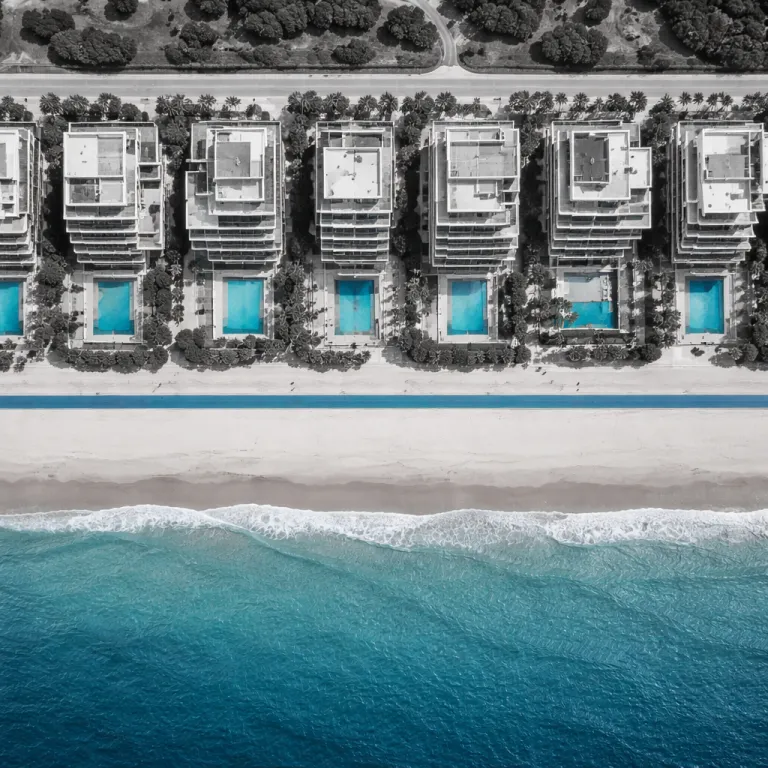
When the building is the destination, not just the beach
Some coastal travelers now choose a hotel less for the beach and more for the building itself. The most compelling coastal hotel architecture and design projects for 2026 turn the structure into a grand instrument for light, wind, and tide, so the hotel becomes the experience rather than the backdrop. When you book a seaside hotel or beach hotel through a luxury and premium platform, you are increasingly choosing a piece of architecture that will shape every sound, view, and step of your stay.
Architects and hospitality brands understand that contemporary coastal hotel architecture must integrate with dunes, cliffs, and harbors instead of dominating them. Recent openings such as W Algarve in Portugal, where AB Concept led the interior design, and W Fort Lauderdale in Florida, where Arquitectonica reworked the tower’s relationship to the shoreline, show how a brand hotel can curve around the coast, using terraces and voids to frame the sea while still operating as a high performance resort and conference center. These new generation beach resorts are planned as coastal retreat destinations where the path from lobby to sand feels choreographed, and where every corridor, spa wing, and meeting space is aligned with the horizon.
Industry research from STR and CoStar indicates that resort and coastal hotels have outperformed many urban markets in recent years, with upper-upscale and luxury beach properties in Europe and the Americas often reporting peak-season occupancy levels above 70 percent, underlining how strongly travelers now respond to thoughtful hotel design. Harmony Space Architecture, for example, shaped a low slung coastal lodge in Washington State that steps down to the water, proving that a modest park hotel scale can still deliver a luxury hotel level of intimacy when the architecture is tuned to the shoreline. When you read serious coverage of these openings in design magazines or hospitality reports, you notice that critics now talk as much about architecture and interior design as they do about service, because the building’s relationship to the sea defines the stay.
How coastal architecture works with sea light, wind, and salt
On a well designed coast, the first thing you notice is the light. The best coastal hotel architecture and design initiatives treat sea light as a primary material, using deep window reveals, shaded loggias, and angled balconies so that each hotel room feels calibrated to the sun’s path. Architects use environmental analysis models to orient a luxury hotel or resort so that morning light hits the spa pool while sunset pours into the beach club bar, and this is where indoor outdoor architecture truly reshapes how you move through a place.
Modern hotel design also has to negotiate wind and salt, which can age a building brutally if the architecture is careless. In current coastal projects, you will see more stone, dense hardwoods, and clay based renders that weather honestly rather than pretending the sea is not there, which is why properties like W Fort Lauderdale and many new Mediterranean resorts are built with robust façades that still allow generous glazing. This is the same logic behind projects such as Mandarin Oriental Punta Negra in Mallorca, where terraced gardens are cut into the cliffs so that the resort and its spa feel carved from the landscape instead of perched nervously above it, and this approach is explored in depth in guides to indoor outdoor coastal architecture.
For guests, these material choices translate into quieter rooms during Atlantic storms and terraces that stay usable when the mistral or trade winds rise. A well detailed seaside hotel or beach hotel will use screens, planted courtyards, and layered circulation routes so that you can walk from conference center to spa without feeling blasted by gusts, while still hearing the surf. When you browse a review of coastal resorts on a booking website, look for mentions of how the interior design handles glare, heat, and humidity, because that is where the difference between a generic brand hotel and a true coastal retreat becomes obvious.
Vernacular intelligence: Cycladic lessons and respectful island architecture
Some of the most persuasive coastal hotel architecture and design examples for 2026 come from islands that have been refining their building language for centuries. In the Cyclades, new luxury developments on Mykonos and Santorini often adopt the whitewashed vernacular, proving that a large luxury hotel can still read as a cluster of low houses rather than a single grand block. The architecture uses thick walls, small punched windows, and shaded courtyards so that every place within the hotel feels anchored to the island’s light and wind patterns.
This approach echoes the quiet island architecture of brands such as Aman and Zannier, where each lodge or coastal retreat is designed as a respectful guest in the landscape. Rather than imposing a glassy convention center aesthetic on the shoreline, these resorts break down their mass into smaller volumes, so that a park hotel wing, a spa pavilion, and a beach club bar each step down gently to the water. For travelers comparing a marriott hotel, a ritz carlton, or a more independent luxury hotel on a booking site, this sensitivity to local architecture can matter more than the number of restaurants or the size of the conference center.
On Yakushima Island in Japan, for instance, any future hotel or resort that wants to be taken seriously will need to respond to dense forests, heavy rain, and volcanic rock just as carefully as Cycladic projects respond to blinding light and dry stone. When you read a detailed review of a seaside hotel in such locations, pay attention to whether the architecture is described as part of the ecosystem or as a foreign object, because that will shape your experience of every walk to the beach. For travelers who value heritage, restored coastal châteaux in France and Portugal show how historic forms can host contemporary hospitality without losing their soul.
Preservation, history, and the way coastal buildings age
Coastal hotel architecture and design in 2026 is not only about new builds; it is also about how historic structures are brought back to life. Properties like COMO Le Beauvallon on the French Riviera or historic villas on the Adriatic coast demonstrate how a grand hotel or seaside lodge can be restored so that original stone, timber, and plaster are allowed to show their age gracefully. In these projects, the architecture becomes a living archive of storms, sun, and salt, while the interior design quietly updates circulation, lighting, and spa facilities for contemporary expectations.
Regenerative hospitality, often defined in industry literature as a sustainable approach that aims to restore and rejuvenate the environment and local communities, is increasingly shaping how owners think about these restorations. Conscious hotel design integrating sustainability, wellness, and operational performance means that a restored park hotel or beach hotel will often use local artisans, reclaimed materials, and energy efficient systems hidden behind historic façades. Guests may arrive for a conference or corporate event in a renewed conference center wing, then realize that the building’s thick walls and deep verandas keep temperatures stable without aggressive air conditioning, which is both more comfortable and more sustainable.
When you evaluate a review of historic coastal properties, look for details about maintenance and materials rather than just décor. A seaside retreat that uses salt resistant stone, breathable plasters, and honest construction will age better than a brand hotel that relies on thin cladding and trend driven finishes, no matter how glossy the initial interior design appears. Over time, the hotels that win guest loyalty are the ones where architecture, not just styling, carries the weight of the climate, and where every place in the building feels more characterful with each passing season.
Inside the room: interiors that frame the tide, not the television
Once you step inside, the most successful coastal hotel architecture and interior design projects treat the guestroom as an extension of the landscape. Rooms are planned so that the bed faces the horizon, not the screen, and so that you can fall asleep to the tide rather than to mechanical noise from a nearby convention center or conference center. In a well considered seaside hotel or beach hotel, the interiors use natural materials such as wood, stone, and clay to echo the surroundings, while textiles pick up the colors of sea grass, rock, and sky.
Design firms like AB Concept at W Algarve and Meyer Davis at W Costa Navarino in Greece show how a brand hotel can still feel deeply local through texture and proportion. Their hotel design work uses generous terraces, sliding screens, and open plan bathrooms so that the boundary between room and balcony blurs, which is exactly what travelers seeking a coastal retreat want from high end resorts in this era. When you read a hotel review or browse a premium booking website, notice whether the writer mentions how the room’s architecture handles privacy, sound, and light, because those details will determine whether your stay feels like true luxury or just another night in a generic marriott hotel.
Even large hospitality players such as Six Senses, currently developing Six Senses Xala on the Mexican coast, are pushing interiors that support wellness and regenerative hospitality rather than just spectacle. A thoughtful hotel spa, for example, will be oriented so that treatment rooms catch soft morning light, while plunge pools sit in courtyards shielded from wind but open to the sky. In the best cases, every place within the hotel, from the smallest lodge style suite to the grand presidential room, is designed so that you always know where the sea is, even when you cannot see it directly.
Architecture for business leisure: where conferences meet the shoreline
For business travelers extending a work trip into leisure, coastal hotel architecture and planning for 2026 offers a different kind of value. The right beach hotel or seaside hotel lets you step out of a conference session and into salt air within minutes, which changes how you remember the event. When a conference center or convention center is integrated into the architecture rather than bolted on, circulation flows naturally from meeting rooms to terraces, and the building will feel more like a coastal campus than a sealed box.
Some marriott hotel and ritz carlton properties have been rethinking their coastal footprints so that ballrooms and meeting spaces sit closer to gardens and promenades, not just parking lots. A well designed brand hotel will place its conference center on a lower terrace, with breakout rooms opening to lawns or decks that overlook the beach club and spa, so that delegates can shift from presentations to the shoreline without a long internal commute. This is where contemporary coastal planning intersects with university style campus thinking, because the best resorts now organize themselves like small academic villages, with clear wayfinding and a strong sense of place.
For travelers booking through a luxury and premium website, this means you can choose a park hotel or lodge where your work sessions feel less draining and your evenings more restorative. If you are planning a leadership retreat or incentive trip, look for properties whose reviews mention natural light in meeting rooms, outdoor breakout spaces, and easy access to the beach club or hotel spa. For events that blend work and celebration, architecture focused guides to luxury beachfront hotels for weddings can double as useful references for conferences, because the same qualities that make a place memorable for a ceremony also make it powerful for a strategy session.
How to read coastal architecture when booking online
When you scroll through a luxury booking website, the phrase coastal hotel architecture and design for 2026 may appear in marketing copy, but you can look deeper. Start by studying site plans and photographs to see how the hotel sits on its plot; a true coastal retreat will step down to the water, not loom over it. Notice whether the resort or lodge uses terracing, courtyards, and planted roofs to blend into the landscape, because that usually signals a more thoughtful approach to hospitality and environmental impact.
Next, read each review of seaside hotels with an architect’s eye, paying attention to comments about soundproofing, natural light, and circulation. Guests often mention whether they can hear waves from their room, how long it takes to walk from lobby to beach, and whether the interiors feel calm or cluttered, which are all clues to the underlying architecture. Remember the expert summary often cited in design reports that integration with natural surroundings, use of local materials, and sustainable design are key features of modern coastal hotel architecture, and use that as a checklist when comparing a marriott hotel, a ritz carlton, or a more independent luxury hotel.
Finally, think about how the building will age during your stay and beyond. A beach hotel or seaside hotel that already shows rust stains, peeling paint, or warped decking may not have been designed for the realities of salt and wind, which can affect comfort and safety. Choosing a hotel, park hotel, or brand property where the architecture has been planned with honest materials and regenerative hospitality principles will usually mean a quieter room, a more resilient spa, and a stronger sense of place every time you return.
Key figures shaping coastal hotel architecture
- Global data from STR and CoStar shows that resort and coastal hotels in many regions have achieved occupancy rates that exceed comparable city properties in peak seasons, highlighting strong traveler demand for well designed seaside hotel and beach hotel experiences.
- The World Travel & Tourism Council has reported that international tourism recovered to more than 80 percent of 2019 levels by 2023, with coastal destinations among the main beneficiaries, which has intensified investment in coastal hotel architecture and design for 2026.
- Architectural developments in this cycle emphasize blending modern design with natural landscapes, with stated objectives to enhance guest experience and promote sustainable, regenerative hospitality across resorts worldwide, as documented in annual reports from major hotel groups.
- Key methods used by architects and brands include site specific architectural design, the use of local materials, and integration with natural surroundings, supported by environmental analysis models and sustainable construction techniques described in design and engineering publications.
FAQ about coastal hotel architecture and booking
What defines modern coastal hotel architecture today ?
Modern coastal hotel architecture is defined by integration with natural surroundings, use of local materials, and sustainable design, which together create buildings that feel rooted in their shoreline rather than imposed on it. Architects now prioritize sea light, wind patterns, and topography when shaping a resort, lodge, or park hotel, so that every place within the property maintains a strong connection to the water. For guests, this means more comfortable interiors, better views, and a stronger sense of being in a specific coastal landscape.
Which notable coastal hotels opened recently ?
Recent openings include W Algarve in Portugal by AB Concept, W Costa Navarino in Greece by Tombazis & Associates and MKV Design, and new phases of W Fort Lauderdale in Florida, all of which showcase different approaches to coastal hotel architecture and design for 2026. These resorts use terracing, sculpted forms, and carefully oriented rooms to maximize contact with the sea while still operating as full service luxury hotel properties. When you compare them on booking platforms, you will notice that architecture and interior design are central to their positioning.
How can I tell if a coastal hotel is sustainably designed ?
A sustainably designed seaside hotel or beach hotel will usually highlight local materials, energy efficient systems, and regenerative hospitality initiatives in its description. Look for mentions of environmental consultants, water management, and collaboration with local artisans, as well as design features such as shading devices, natural ventilation, and native landscaping. Reviews that praise comfortable temperatures, good air quality, and quiet rooms without heavy mechanical noise often indicate that the architecture is doing much of the environmental work.
Why do materials matter so much in coastal hotels ?
Materials in coastal hotel architecture and design for 2026 must withstand salt, wind, and intense sun, which can quickly degrade poorly chosen finishes. Stone, dense hardwoods, and clay based renders age more gracefully than thin metal cladding or synthetic panels, especially in exposed beach hotel locations. For guests, durable materials mean safer balconies, quieter rooms, and public spaces that remain elegant over time rather than looking tired after a few seasons.
What should business travelers look for in coastal conference hotels ?
Business travelers should prioritize hotels where the conference center or convention center is integrated into the overall architecture, with natural light, outdoor breakout spaces, and easy access to the beach club or spa. Properties that treat meeting facilities as part of a coherent campus, rather than as an afterthought, usually offer better wayfinding, acoustics, and comfort. This makes it easier to shift from meetings to leisure, turning a standard work trip into a more restorative coastal retreat.